Padel vs Squash: Key Differences and Which to Try First
Both are enclosed court sports. Both use walls. Both have passionate communities in the UK. But padel and squash are fundamentally different games, and what transfers from one to the other is less than you'd expect.
The basic differences
Padel is a doubles sport played on an outdoor or indoor court with glass and mesh walls. The ball is allowed to bounce once on the floor before coming off the wall. Rackets are solid (no strings). Net divides the court in half.
Squash is a singles sport (or doubles in its less common variant) played on an indoor court with four solid walls. The ball hits the front wall above a tin line. Rackets are strung, similar to tennis rackets in form.
Same general category. Very different to actually play.
Court and equipment
A squash court is enclosed on all four sides — front, back, both sides — and there's no net. The game is played facing the front wall. You and your opponent share the whole space.
A padel court has a net in the middle and glass/mesh walls on the sides and back. You and your partner play on one side of the net. Opponents on the other.
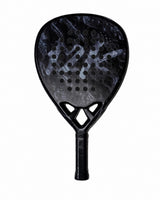
Squash rackets are strung. Padel rackets are solid with a perforated face. Completely different feel on impact — squash gives you string feedback, padel gives you a more direct, thudding contact.
Physical demand
Squash is harder aerobically. The court geometry and pace of rallies means continuous movement at high intensity for the duration of a point. It's consistently rated among the highest-intensity racket sports.
Padel is intense but the doubles format and wall dynamics create more natural pauses in movement. Rallies can be long and tactically complex, but the total cardiovascular demand per session is generally lower than squash. That said, top-level padel is extremely physical — the comparison is really at recreational level.
What transfers between the sports
From squash to padel: wall reading transfers better than most people expect. Squash players are used to tracking balls that bounce at unexpected angles. The general court sense and quick hands also help.
What doesn't transfer: the swing. Squash develops a longer, more arm-driven swing. Padel rewards a compact, wrist-heavy stroke with good positioning. Squash players often over-swing for the first few sessions and mishit more than expected.
From padel to squash: less obvious crossover. The court geometry is completely different and the solo nature of squash is an adjustment after the constant partner communication of padel.
Accessibility in the UK
Squash has been in UK leisure centres for 40+ years. Courts are everywhere. Racket hire is standard. The equipment barrier is low.
Padel is growing fast but the court infrastructure is still patchy outside London, Manchester, and a few other cities. This is changing — Sport England has invested significantly in padel court development — but in 2026 you can still find yourself driving 30+ minutes to the nearest padel facility in some parts of the country. Worth checking how to find padel courts near you before committing.
Social dynamics
Padel's doubles format makes it more social by default. You need four players to fill a court. Most clubs run organised social sessions and leagues specifically because of this — the format demands it. That community aspect is part of why padel has grown so quickly.
Squash is more solitary — you can play singles with one other person whenever a court's free. Some people prefer this. It's less scheduling-dependent.
Which should you try?
If you've played squash and want something social, fast-growing, and playable outdoors in good weather, padel is the obvious move. If you want the highest-intensity solo workout in a racket sport, squash is still hard to beat.
Most people who try padel play it alongside squash rather than replacing it. The games scratch different itches.
Getting into padel? Start with our beginner's rules guide and our UK beginner racket guide. When you're ready to buy, the 12K Padel range is £79.95 for a 12K carbon-face racket, free UK delivery over £90.