Padel Rules for Beginners: The Complete UK Guide
The basics in two minutes
Padel is played on an enclosed court — smaller than a tennis court, surrounded by glass walls and metal mesh. You play in pairs (doubles only). The ball can bounce off the walls, which is what makes it different from every other racket sport.
The serve goes underarm, below waist height. Rally. Win points. That's the core of it. Here's everything else you need before your first session.
The court and equipment
A padel court is 20 metres long and 10 metres wide — roughly half the size of a tennis court. The back walls and lower side walls are tempered glass. The upper side sections are metal mesh. Balls that hit the walls are still in play, and that changes everything about how you think tactically.
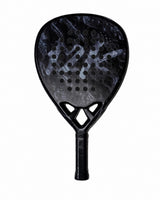
Rackets are solid — no strings. They have a perforated or textured hitting face. A teardrop shape at around 365g is the standard starting point for most players. If you're deciding what to buy, read our guide on how to choose your first padel racket.
The ball looks like a tennis ball but is slightly softer, with less internal pressure.
Scoring
Padel uses the same scoring system as tennis: 15, 30, 40, game. You play sets to six games, with a tiebreak at 6-6. Matches are best of three sets.
If you haven't played tennis before, this feels odd for the first session and obvious by the second. The short version: four points wins a game, six games wins a set, two sets wins the match. For a full breakdown, see our padel scoring system guide.
The serve
The serve is where padel differs most from tennis. You serve underarm. The ball must bounce in your own service box first, then you strike it below waist height. It needs to land in the diagonal service box across the net.
Serve starts from the right side (deuce court), then left (advantage court), alternating. You get two attempts. One thing beginners consistently forget: if the serve hits the side or back wall after landing correctly in the service box, it's still live. The receiver deals with it.
The walls
The ball can come off the back wall and side walls during a rally. Both teams can use this. This is the actual game — most of the interesting play in padel comes from using walls to extend rallies and create angles your opponents can't cover.
Three rules that catch beginners out:
- The ball must bounce on the floor on your side before hitting the wall
- You can let the ball go past the back wall and play it on the rebound — this is legal
- Only one bounce on your side before you have to return it
Common mistakes in the first few sessions
Walls are the main adjustment. Most new players either ignore them and miss easy rebounds, or try wall angles before the geometry makes sense. Know where your back wall is. Don't panic when the ball comes off it.
Grip pressure is the other one. Padel rewards a loose grip and compact swing. If you're coming from tennis, you'll grip too hard and swing too long. Read the full breakdown of how padel and tennis technique differ.
What to bring
Court shoes with lateral support — padel or tennis shoes, not running trainers. Most clubs provide balls and hire rackets (usually £3–5) for your first session. When you're ready to buy, our beginner racket guide covers what spec to look for at each price point.
The game you're actually learning
Padel is a net sport and a wall sport simultaneously. You can drive opponents back with pace, pin them with lobs, attack the net, or play angles off the glass that are genuinely difficult to read. As a beginner, forget all of that. Keep the ball in play. The rest comes with time.
Ready to get set up? The 12K Padel range is £79.95 for a 12K carbon-face racket, with free UK delivery over £90.