Padel Serve Rules Explained: Faults, Lets and Foot Faults
Most people learn the padel serve by copying whoever they played with first. That works fine until someone calls a fault and nobody in the group can explain why.
The serve is the one moment in padel with a proper list of rules attached. Everything else is broadly common sense about walls and bounces. The serve has conditions, and they matter, because getting them wrong hands over free points.
What a legal serve needs
Four things. Stand behind the service line. Bounce the ball on the floor first. Strike it at or below waist height. Send it diagonally into the box opposite.
Miss any one and it is a fault. You get two attempts per point, same as tennis, and two faults in a row loses the point outright.
The bounce
The ball has to bounce once on the ground behind the service line before you hit it. Tossing it up and striking it out of the air is not a padel serve. That is a tennis habit and it will get called.
How you bounce it is up to you. Some players drop it from hip height and take it low. Others let it come back up towards the waist. Both are legal. What you cannot do is let it bounce twice, or catch it and start again once you have released it.
Waist height
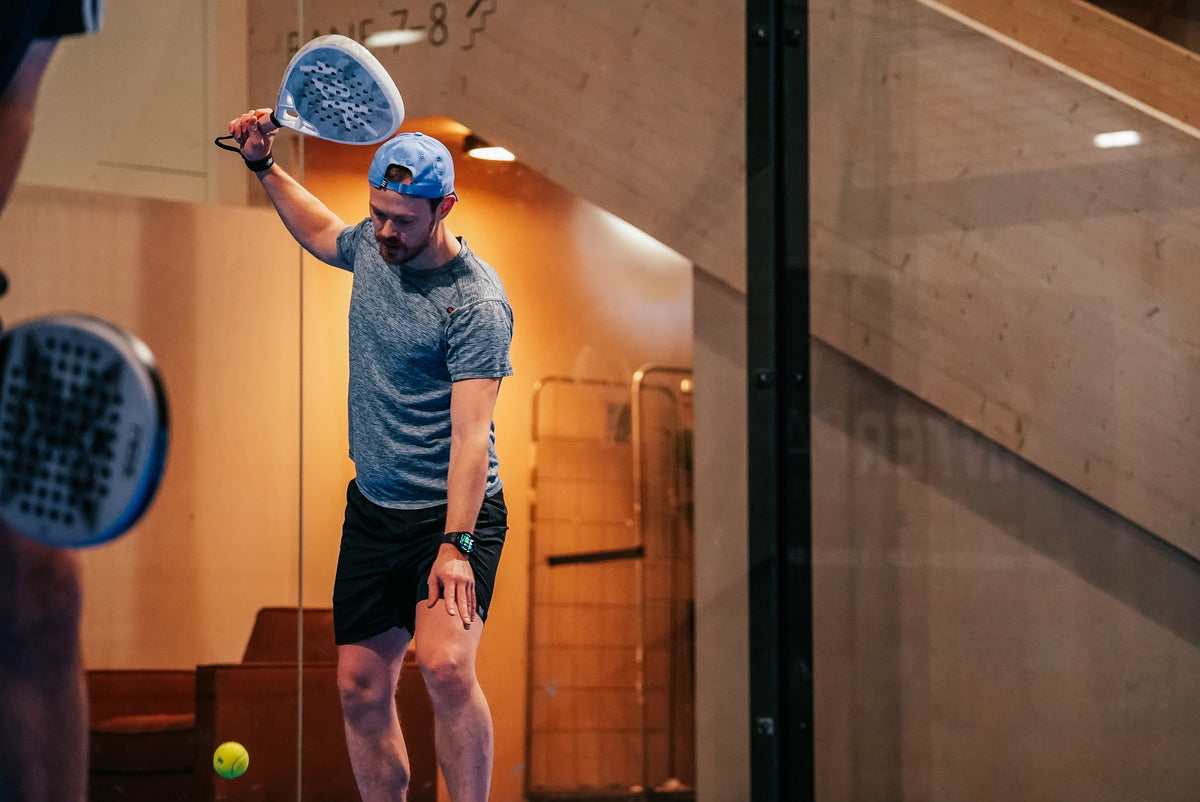
Contact must happen at or below your waist. The official figure under FIP rules is 1.06 metres from the ground, which sits around waist level on most adults.
Nobody at a club session is carrying a tape measure. The practical version is simple. If the racket head is clearly above your belt at the moment you hit the ball, someone will say something. Keep the contact low and there is nothing to argue about.
Feet in the right place
Both feet stay behind the service line until you have hit the ball. Touching the line or stepping over it before contact is a foot fault.
You also have to keep at least one foot on the ground. No jumping into the serve. And you must stay on your own side of the centre line, which catches out players who drift across while setting up.
This is the rule broken most often at 12k Padel sessions, usually by people who came from tennis and are used to stepping into the court as they hit. Old habits travel.
Where it has to land
The serve goes diagonally into the service box on the far side. It must bounce inside that box before touching anything else.
Once it has landed correctly, it is allowed to hit the side glass and stay in play. What it cannot do is touch the wire fencing at any point. Ball into the box then onto the glass is fine. Ball into the box then onto the mesh is a fault.
Lets
If the serve clips the net cord and still lands in the correct box, that is a let. Replay it. No penalty, no lost attempt.
If it clips the net and lands outside the box, or hits the fence after the net, it is a fault rather than a let. Same if it touches the net and then strikes the receiver before bouncing.
Worth knowing, because plenty of club players call every net contact a let and hand back points they had already won.
Which side you serve from
The first point of a game is served from the right side of the court, into the box diagonally opposite. Then you alternate sides for every point after that.
One player serves the whole game. The pairs swap serving duties from game to game, and the two players within a pair alternate as well, so each of the four people on court serves once every four games.
The receiver has rules too
The return must be hit after one bounce. You cannot volley a serve out of the air, which is the difference that catches almost every tennis player in their first month.
Receivers can stand wherever they like inside their own half, though standing too close is a quick way to get jammed. The returning pair also cannot invalidate a serve by moving early or shouting. The serve is judged on what the server did.
Why the rules shape the tactics
The waist height limit is the reason padel serves are slow. You cannot generate the racket speed a tennis serve needs from a low contact point, so nobody is winning free points with pace.
What you get instead is a serve that buys you position. Serve, then walk to the net, because the return coming back is almost always something you can volley. A pair that treats the serve as a way to take the net wins more than a pair that treats it as a weapon.
Aim matters more than power. Wide serves into the side glass drag the receiver out of position. Serves into the body cramp them for space. Flat serves down the middle are the easiest to attack, which is exactly why most beginners hit them.
Getting it consistent
Serve practice is the least glamorous thing you can do with a court booking. It is also the fastest fix available, because a reliable serve removes double faults from your game entirely.
Ten minutes before a match is enough. Same bounce every time, same contact point, same target. Consistency here is mostly about repeating one motion rather than owning three different serves.
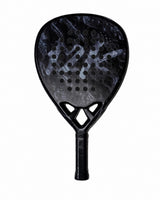
A racket you can feel helps more than people expect on the serve. Contact is low, slow and precise, so a frame with a forgiving sweet spot and steady control makes placement easier to repeat. The Midnight Black from 12k Padel is built around that kind of feel, if you are due an upgrade. Learn the rules first, though. They cost nothing and they stop you giving points away.