Padel vs Pickleball: Which Racket Sport Should You Try First?
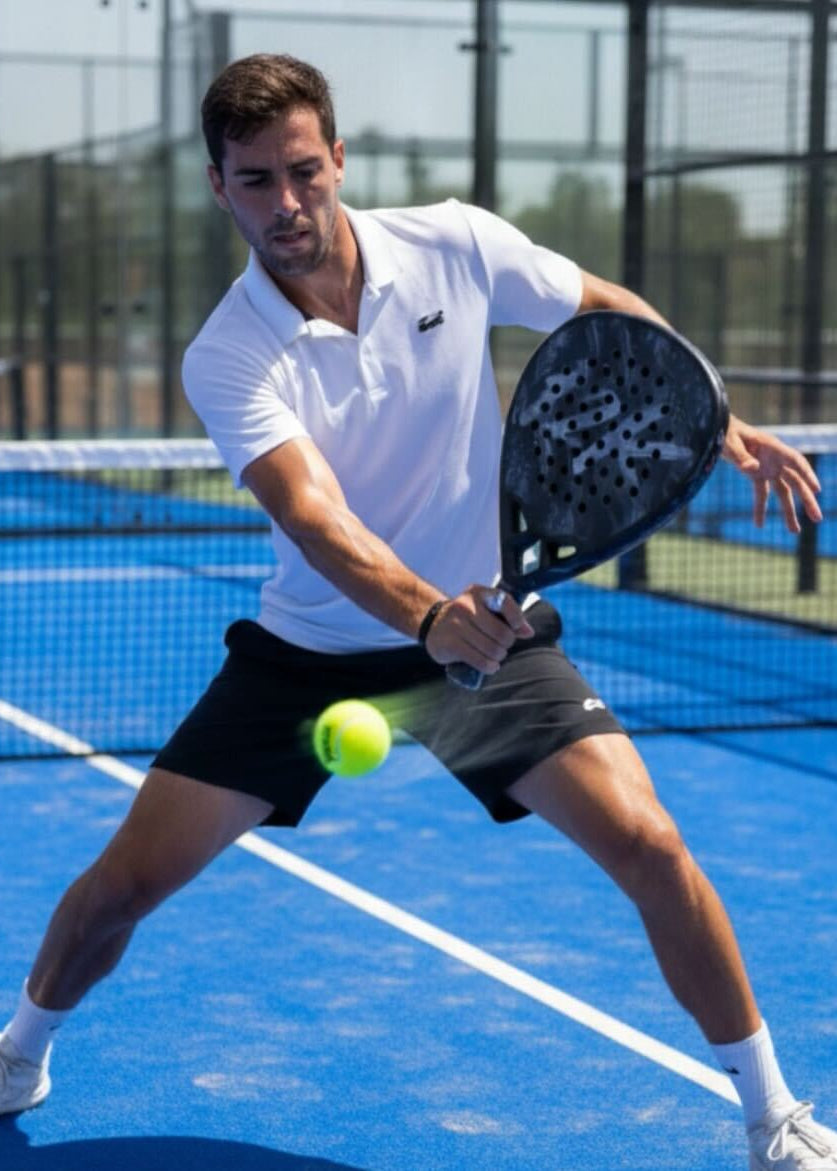
Two new racket sports have taken over sports halls and converted car parks across the UK in the last few years, and from a distance they look almost identical. Small court, solid paddle, players crowding the net. Get closer and the differences pile up fast.
Padel and pickleball share a family resemblance but they are not the same game wearing different kit. If you are trying to decide which one to book first, here is what actually separates them.
The court is the biggest giveaway
A padel court measures 20 metres by 10 metres and sits inside glass walls and metal fencing. A pickleball court is 13.4 metres by 6.1 metres, played in the open with no walls at all. Padel's court is more than double the size.
That enclosure changes everything about how a point unfolds. In padel the ball stays alive off the back glass and side walls, so rallies run longer and recovery shots that would be outright winners on an open court become playable. Pickleball has no such safety net. Once the ball gets past you, the point is over.
Different balls, different feel
Padel uses a depressurised tennis ball, softer and slower than the ball you would find on a tennis court. Pickleball uses a hard plastic ball riddled with holes, closer to a wiffle ball than anything else in racket sports.
The plastic ball barely bounces and holds almost no spin, which keeps pickleball rallies short and reaction-based. The padel ball compresses on contact and holds spin well, which is why shots like the bandeja and the chiquita exist at all. You cannot really recreate either one with a pickleball.
The kitchen rule nobody sees coming
Pickleball has one rule that trips up every newcomer: the kitchen. It is a 2.1 metre no-volley zone either side of the net, and stepping into it to smash a volley gets you an automatic fault, even if your momentum carried you in after the shot was already gone.
Padel has nothing like it. Standing right at the net and volleying every ball that comes near you is not just legal, it is the standard tactic at every level of the game.
Scoring feels familiar if you know tennis
Padel keeps tennis scoring almost entirely intact. Fifteen, thirty, forty, deuce, sets, the lot. If you have ever played tennis, or even just watched it on television, padel scoring needs no explanation.
Pickleball runs on side-out scoring up to eleven, win by two, and only the serving side can add to the score. It takes a game or two to get used to, though the rally scoring format some clubs now run brings it a bit closer to what padel and tennis players already expect.
Fitness demands differ more than people expect
A padel session typically runs ninety minutes and mixes steady walking between points with short sprints toward the glass. It is a solid cardio workout without the joint pounding of a running sport, mostly because the court is small and the walls do a lot of the retrieving for you.
Pickleball asks for sharper, shorter bursts. Matches finish quickly, so a session often becomes several short games back to back rather than one long one. Both sports are far kinder to the knees than tennis or squash, which explains why older players have taken to them so quickly.
Which one should you actually try
Padel rewards patience, positioning and touch. Long rallies, constant net play, a lot of talking with your partner about who takes the ball down the middle. It sits closer to squash and tennis in the skills it demands, and the wall play adds a layer of strategy that takes months to properly learn.
Pickleball rewards quick hands over long rallies and endurance. Points finish faster, the court is smaller so there is less running, and the learning curve for a first session is gentler. Plenty of players who find tennis too demanding physically pick up pickleball inside a single afternoon and never look back.
Neither sport beats the other on paper. Padel currently has more UK courts and a bigger regular player base, and it is the one most new clubs are building courts for right now. If your gym or local sports centre only offers one of the two, that usually makes the decision for you.
Trying padel for the first time
If padel is the one you can actually get a court for, do not overthink your first session. You need a racket, comfortable trainers with good grip, and a partner willing to laugh through the first ten minutes of mishit volleys.
At 12k Padel we see a lot of first-timers show up with a borrowed racket and decide within one session that they want their own. The court feels enormous at first and then oddly small once you understand how much of it the walls hand back to you.
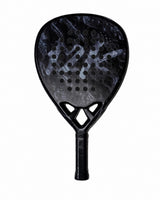
A sport built around long rallies and constant net exchanges is more fun with a racket that actually suits your level, rather than whatever spare frame the club has lying around. If you are picking padel over pickleball this year, the court pack from 12k Padel gets your racket, grip and basics sorted in one go, so your first few sessions are about learning the game rather than fighting your kit.