Why Everyone Is Playing Padel: What Makes It So Addictive
If it feels like everyone you know suddenly plays padel, you are not imagining it. Over 860,000 people played padel in Britain in 2025, more than double the year before and up from around 15,000 just six years ago. Courts that did not exist three years ago now have two-week waiting lists. Something unusual is happening.
But the numbers only tell part of the story. The more interesting question is why. Why do people try padel once and book again three days later? Why do players who have not picked up a racket in years suddenly find themselves going three times a week? What is it about this sport that makes it so hard to put down?
You Are Rallying in the First Hour
Tennis is a sport that many adults give up on before they are good enough to enjoy it. The learning curve is long, the technique is demanding, and a beginner trying to rally with another beginner usually results in forty minutes of chasing balls around a court.
Padel is different. The court is smaller, the walls keep the ball in play longer, and the underarm serve is easy to land consistently from the very first session. Most beginners are having proper rallies within an hour of picking up a racket for the first time. That immediate feeling of competence matters more than most people realise. It makes you want to come back.
It Is Hard Enough to Keep You Interested
Easy sports get boring quickly. If you improve too fast and hit a ceiling, you move on. Padel is accessible at the start but has enough depth to keep players engaged for years. The wall play, the overheads, the tactical decisions in doubles: there is always something to work on and always a level above where you currently sit.
Players describe padel as addictive partly because of this. The initial improvement curve is steep, which feels great. But the game keeps offering new problems to solve. You think you have your backhand sorted and then you start playing opponents who exploit it in ways you had not encountered before. It keeps the brain engaged in a way that feels more like a puzzle than a workout.
It Was Built for Doubles, Which Means It Was Built for People
Padel is a doubles sport. You need four people to play a match, and that simple structural fact shapes everything about the culture around it. You turn up with three friends, or you show up at a social session and get paired with strangers. Either way, you spend an hour communicating, encouraging, and having a laugh between points.
The socialising is not a side effect of padel. It is built into the format. The game forces you to interact. The shared pressure of a tight third set, the celebration of a well-worked point, the post-match drink: padel creates a specific kind of social bond that other racket sports do not quite replicate.
It Fits Into Real Life
An hour of padel gives you a proper workout without requiring you to block out three hours of your day. Courts are appearing in city centres, rooftop spaces, office complexes, and leisure clubs. Most sessions run sixty to ninety minutes and the setup at good venues means you can arrive, play, and be back at your desk or home well within two hours.
That accessibility is a big part of the lifestyle appeal. Padel fits around work, family, and everything else in a way that a five-a-side league or a full round of golf simply cannot. It has become the sport of the after-work crowd, the working parent with limited spare time, and anyone who wants something competitive and social in their week without it taking over their schedule.
The Community Builds Quickly
One of the things people mention most when they talk about getting into padel is how quickly they built a network around it. You meet people through the club, through social sessions, through being paired with strangers who become regulars. Padel clubs in the UK have a genuine community feel that is relatively rare in recreational sport.
Part of this is the nature of the game, and part of it is the stage the sport is at in the UK. Padel is still growing fast enough that every club feels like a group of people who found something together, rather than an established institution where you have to earn your place. That energy is infectious and keeps people coming back.
The Culture Around It Matters
Padel has developed its own aesthetic. The kit, the courts, the rituals: there is a visual identity to the sport that carries a lot of appeal, particularly for players who care about how they show up as much as how they perform. It is not just a sport you do, it is something you are genuinely part of.
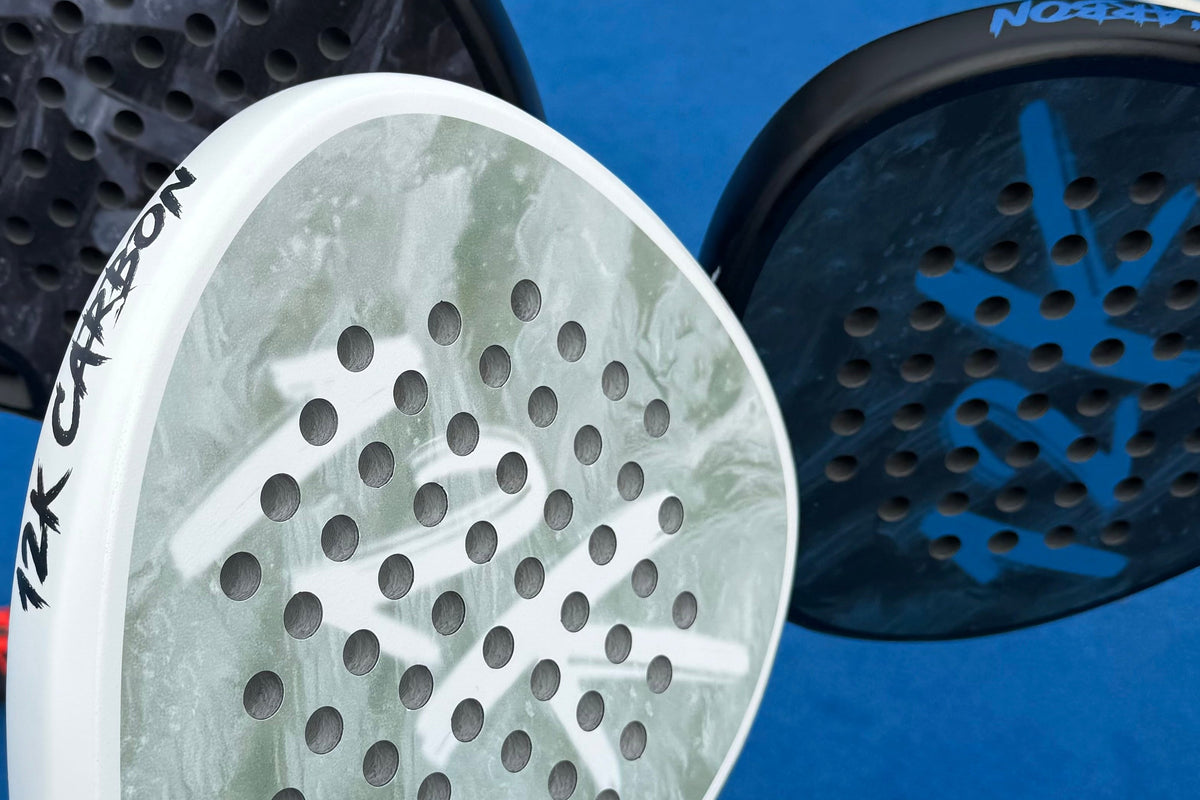
At 12k Padel, we think about this side of the game as much as the technical side. What you wear and what you play with should reflect how seriously you take it. The After Work Padel Club tee from 12k Padel captures exactly the culture the sport has built in the UK: competitive enough to care, relaxed enough to enjoy the whole thing. Take a look at what we have in the shop.