Padel vs Tennis: Which Sport Is Easier to Learn?
Tennis has been the UK's go-to racket sport for decades. But padel is closing the gap fast, and a lot of people are asking the same question before they try it: is padel easier to learn than tennis? The short answer is yes — but the longer answer explains why, and what that actually means for your first few sessions.
The courts are completely different
A standard tennis court is 78 feet long and 36 feet wide for doubles. A padel court is roughly a third of that — 20 metres by 10 metres, enclosed by glass and metal mesh walls. You're playing in a much smaller space, which changes everything. Balls travel shorter distances, rallies happen faster, and you spend less time sprinting end to end.
The walls are in play, like in squash. A ball can bounce off the back glass and still be a legal shot. That single rule opens up a whole category of shot-making that doesn't exist in tennis — and it's one of the reasons rallies in padel last longer at beginner level.
Serving is where tennis trips people up
In tennis, the serve is technical, physically demanding, and takes months to develop properly. Fault after fault is the standard beginner experience. In padel, you serve underarm, below waist height, with a bounce off the ground first. It's consistent from day one. First-time padel players get the serve working in their first session. That removes one of the biggest frustration points in learning tennis.
The scoring system is the same
Padel uses the same 15-30-40 scoring as tennis, with sets won at 6 games and a tiebreak at 6-6. If you already play tennis, there's nothing new to learn on the scoring side. If you've never played either, you'll learn both systems at the same time.
Rallies last longer at beginner level
Because the court is smaller, the ball is slower, and the walls keep the ball in play, beginners tend to have longer rallies in padel from the start. That makes the game more enjoyable earlier — you're not just hitting the ball out every other shot. The fun-per-session ratio in your first few weeks of padel is genuinely higher than in tennis.
Technique: padel forgives more
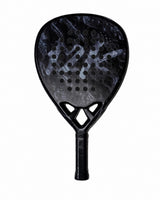
Tennis rackets are strung, and off-centre shots go unpredictably wrong. Padel rackets are solid with a perforated face — they're more consistent across a wider hitting zone. The court is also smaller, so the ball doesn't need to travel as far. Between those two factors, beginners in padel make contact with the ball and it goes roughly where they intend much sooner than in tennis.
That said, padel has its own technical demands. Volleys at the net, rebound shots off the back glass, lob play — these take time to develop. The entry point is lower, but the skill ceiling is very high.
Cost to get started
A decent beginner tennis racket runs £50–£150. Padel rackets at the entry-level run a similar range. Court hire in the UK is roughly £15–£25 per person per hour for padel; tennis courts at clubs are similar. The cost of entry is comparable.
One difference: padel clubs in the UK are newer and tend to have better facilities as a result. Many have pro shops, coaching, and active social scenes built around the courts.
The verdict
Padel is easier to pick up than tennis for most people. The serve is simpler, the court is smaller, rallies start sooner, and the racket is more forgiving. None of that means padel is less skilled — it means you get past the frustrating beginner phase faster and start actually playing the sport sooner.
If you're looking for a racket to get started, the 12K Padel range is £79.95 for a 12K carbon-face racket, with free UK delivery over £90.