Padel for Kids in the UK: A Parent's Guide to Getting Started
Padel is one of the better sport choices for children. The court is smaller than tennis, the serve is underarm, the ball moves slower, and the walls mean rallies last longer from day one. Kids get more ball contact per session than in almost any other racket sport.
Here's what parents need to know.
What age can kids start?
Most coaches start children on padel at around 6–7. At that age, a junior court (smaller dimensions) with a foam ball makes the game immediately playable. Some clubs run sessions for under-6s with parent participation, but these are more introduction-to-sport sessions than proper padel.
By 8–10, most children can play on a standard junior court setup with appropriate equipment and follow the rules properly.
Junior padel vs standard padel
Junior padel typically uses:
- A smaller court (around 16m x 8m vs 20m x 10m for adults)
- A foam or low-compression ball that bounces slower
- A lighter, shorter racket (typically 45–50cm vs the adult 45.5cm, at a lower weight)
At around 12–14, most junior players transition to adult equipment and adult courts, though this depends on physical size and development.
Finding junior padel coaching in the UK
The LTA runs a junior padel programme and a coach finder at lta.org.uk/padel. Most LTA-affiliated padel clubs offer junior sessions, either as group coaching or as part of a mini-tennis/mini-padel programme.
David Lloyd clubs with padel courts typically run structured junior programmes. Everyone Active leisure centres also run junior sport sessions that increasingly include padel.
If your local club doesn't have a junior programme, it's worth asking — demand is the main driver of clubs setting them up. Several clubs have started junior sessions after parents asked.
Equipment for junior players
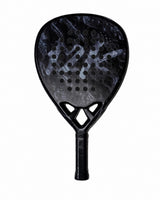
Junior padel rackets are available from most padel retailers from around £20–40. At this stage, fit and lightness matter more than construction grade — a 12K carbon racket designed for adults isn't appropriate for a 9-year-old who needs something light and easy to swing.
At around 14–16, when a junior is playing seriously and transitioning to adult equipment, construction quality starts to matter. That's when moving to a full carbon adult racket makes sense.
Padel vs tennis for kids
This comes up a lot. A few honest comparisons:
Padel has a shorter learning curve. Kids get into actual rallying within the first session, which keeps motivation up. Tennis takes longer before a beginner can sustain a rally.
Tennis has more infrastructure for junior development in the UK — more clubs, more coaching pathways, more competitive structure. The LTA is building this for padel but tennis is still ahead at junior level.
The two sports are also complementary. A lot of strong adult padel players played junior tennis first. The footwork and court sense transfer. Many families do both.
Junior competition
The LTA runs a junior padel circuit with regional and national events. British Padel also runs a separate junior competition structure. Age groups typically start at Under-12 and go up to Under-18.
Most clubs also run internal junior club leagues and social ladders. These are the entry point before entering external tournaments.
What to expect from the first few sessions
Don't worry if it looks chaotic at first. The wall rules take time to understand. New players (adults and children) tend to watch the ball go past the first wall and then be confused when it comes back. After two or three sessions it clicks.
For kids specifically: the short court and slow ball mean they stay engaged. The rallies feel achievable early on, which matters a lot for young players deciding whether they like a sport.
If you're looking for equipment guides as your child progresses to adult play, start with our racket selection guide or the best beginner rackets in the UK.