Padel Court Surfaces Explained: Turf, Sand and Grip
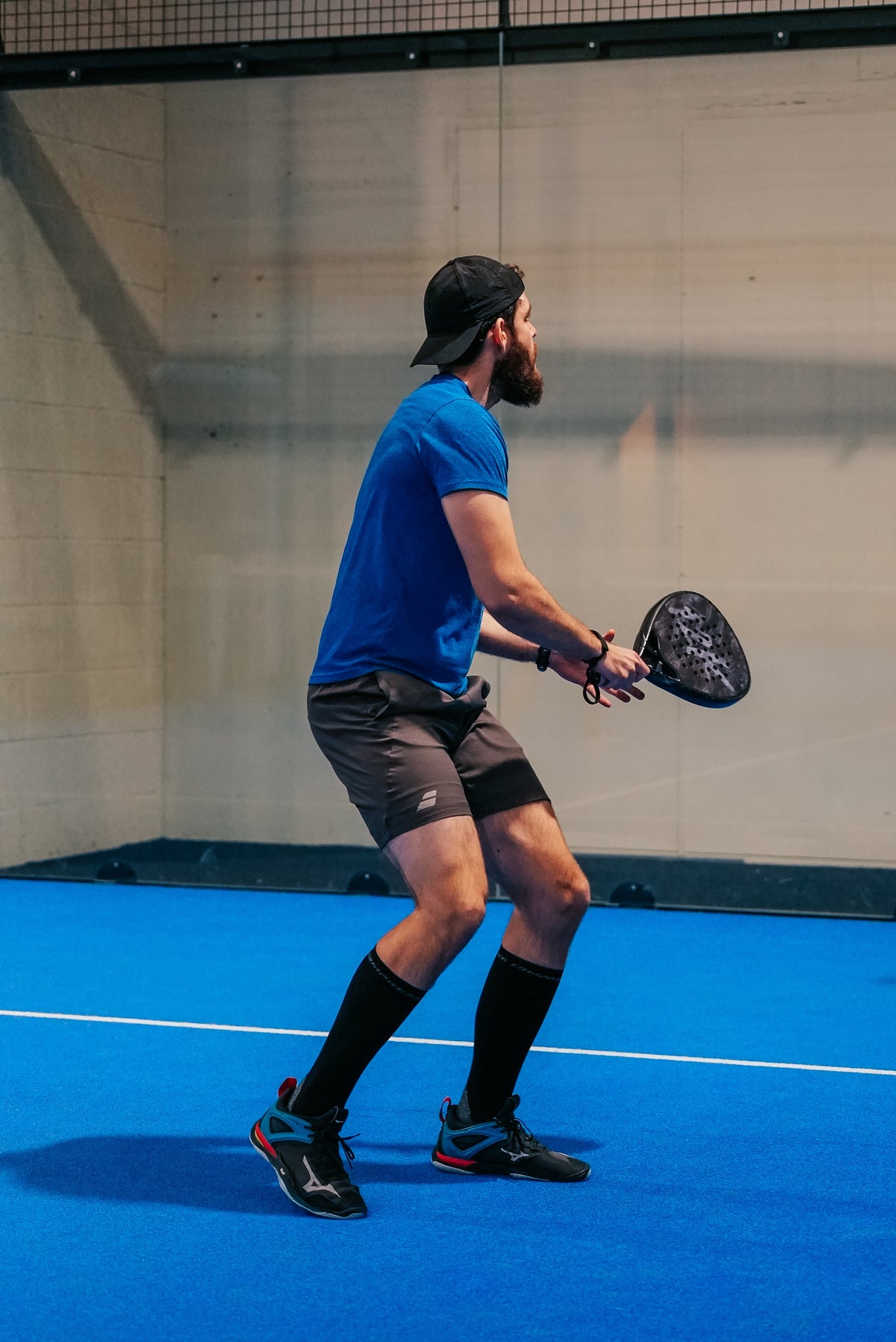
Nobody looks down. You walk on, you knock up, you play, and the green stuff under your feet gets about as much thought as the ceiling.
Then you play at a different club and the ball sits up. Or it skids. Or you slide half a metre on a shot you have played a thousand times. That is the court, not you.
What a Padel Court Is Actually Made Of
Almost every court you will play on is short pile artificial turf laid over a rigid, drained base, with silica sand brushed down into the fibres.
The fibres are polyethylene or polypropylene, usually 10 to 13 millimetres tall. The sand does most of the work you feel. It holds the fibres upright, stops the carpet shifting under load, and decides how much your shoe grabs when you push off.
Concrete and rubber courts exist, mostly in older builds and converted spaces. They are faster, harder on the knees, and rare enough here that you may never meet one.
The Three Turf Types
Monofilament is the standard now. Straight individual fibres that stand up through the sand and give a consistent bounce with reliable footing. It takes a lot of sand, roughly 17 to 18 kilos per square metre.
Fibrillated turf is the older, cheaper option. Fibres woven in a net pattern that splits into finer strands as it wears. It holds sand well and plays fine, but it looks scruffy sooner, and it turns up mostly on budget and recreational courts.
Textured turf sits between the two. Crimped fibres that trap sand with far less of it, around 7 to 8 kilos per square metre. Cheaper to maintain, and increasingly what new clubs fit.
Pile Height and Sand Change Your Game
Short pile with a full sand load gives a firm, quick court. The ball skids and keeps its pace, so low balls stay low and a hard smash is through you before you finish turning.
Longer pile with slightly less sand cushions the ball. The bounce comes up higher and slower, rallies run longer, and the player who lobs well gets paid for it.
Neither is better. But if you only ever play at one club, you have built your timing around one specific surface, which is why an away fixture feels odd for the first two games.
Too Much Sand, Too Little Sand
Under-sanded courts are the ones that hurt. Fibres lie flat, the bounce goes unpredictable, and your foot slides on a change of direction because nothing is holding the carpet down.
Over-sanded is the opposite complaint and much less dangerous. The court feels heavy, the ball dies, and you finish more tired than the scoreline suggests.
Why Courts Are Blue, Green or Terracotta
Colour is cosmetic. Blue reads well on camera, which is why the pro tour uses it and clubs copy the look. Green hides sand and dust between brushings. Terracotta nods at clay and shows scuff marks fastest.
None of it touches the bounce. If a court plays differently from the one you learned on, it is the pile and the sand.
How to Read a Court in Thirty Seconds
Scuff a foot across the surface near the service line. Sand should shift slightly and the fibres should spring back. If it feels like scraping a doormat, the sand is low.
Then look at the corners and along the base of the back glass. Sand migrates outwards and gets kicked out of the busy middle, so bare patches at the T with drifts in the corners mean nobody has brushed it in a while.
Bounce a ball at the net and again at the back. If they come up differently, adjust your lobs in the knock-up rather than losing three points working it out.
Wet Courts and Sand
Rain compacts sand. A court that plays quick in July can feel sluggish and grabby in February for that reason alone, before you add cold balls and stiff legs.
Damp turf also holds sand in clumps, which is where the odd dead bounce comes from the morning after a downpour.
What Good Clubs Actually Do
Brushing is the whole job. A drag brush pulled across the court moves sand from the edges back into the middle and stands the fibres up again.
Busy courts want it weekly. Most clubs manage monthly. Once or twice a year the turf gets a deep clean to lift compacted sand and grit out of the pile, and a well kept court will last eight to ten years before the fibres are finished.
You can tell inside a rally which clubs bother.
What This Means for Your Shoes
Herringbone and omni soles are built for this surface. They let the foot slide a controlled amount instead of stopping dead, and on sand-topped turf that is what protects your knees and ankles.
Flat gym trainers do the opposite. They either grip too hard and jar the joint or skate across the sand with no warning. Plenty of players at 12k Padel started in running shoes and switched after one proper slip.
The Frame Takes the Damage
Every low ball you dig out near the back glass is your frame meeting sand and turf. That grit is silica, harder than the paint and clear coat on your racket.
Scrape a few times a session and the bottom edge of the head goes from glossy to matt to chipped. On a carbon frame the chip is where water gets in and where the layers start to lift.
Two Minutes Before You Play
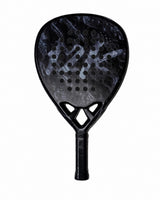
Check the sand, check your soles, and put something between your frame and the floor. A 12k Padel head protector takes the scrapes so the frame does not, and it costs a small fraction of a new racket.
The surface is the one piece of equipment you never chose and cannot change. Knowing what it is doing to the ball is worth more than most of the tips people give you.