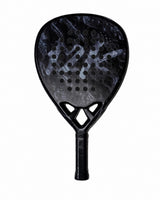
Playing Padel in Cold Weather: How to Adjust for Winter
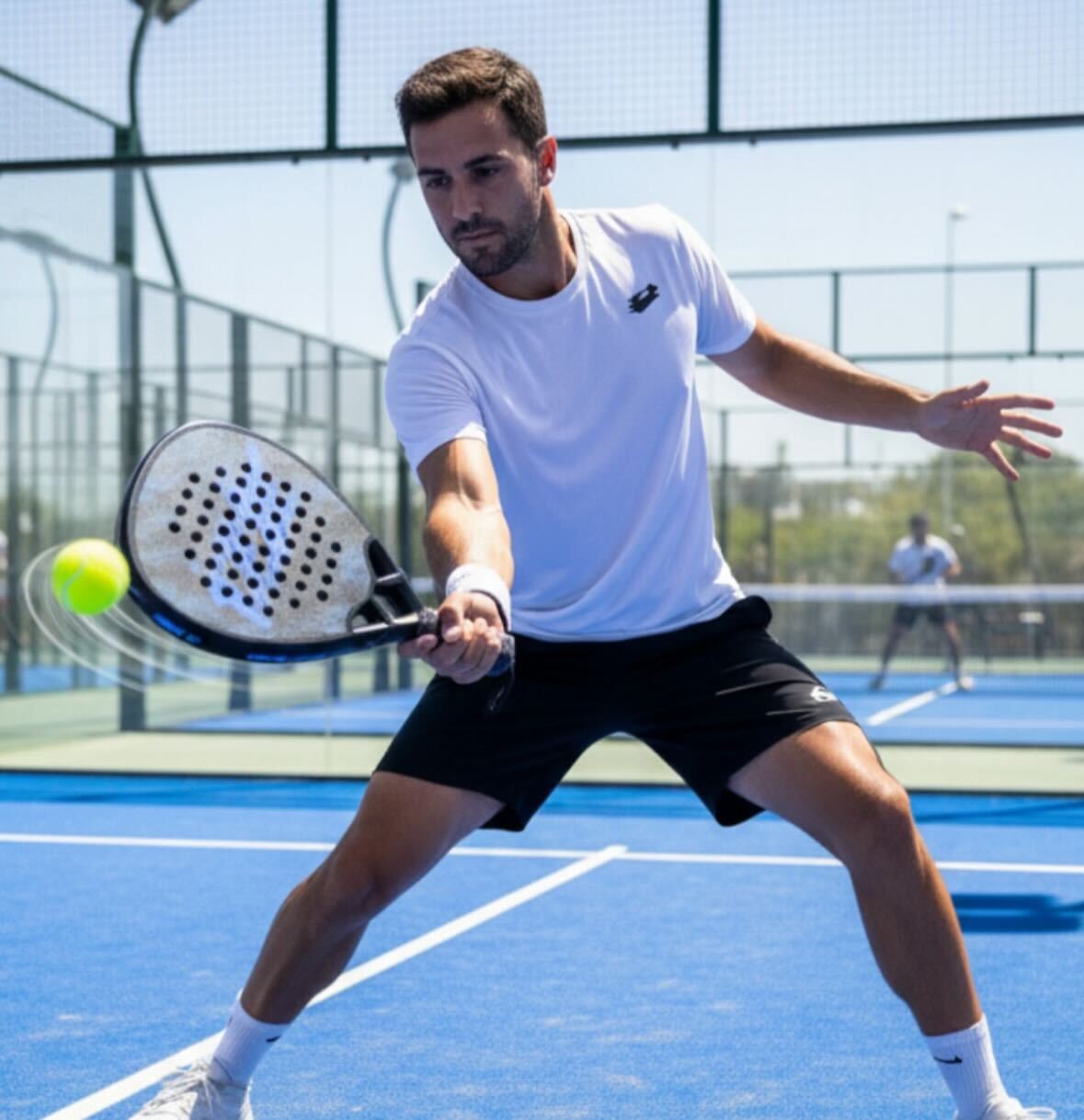
Padel does not stop when the temperature drops. Most UK courts stay busy through winter, and plenty of players say the cold months are their favourite time to play. The catch is that everything behaves a little differently once the air turns cold. The ball, your hands, your body, even your racket all react to it.
None of that is a reason to stay home. It just means the winter game rewards players who adjust and punishes players who turn up expecting a summer match.
The ball sits lower and feels heavier
The biggest change happens inside the ball. Cold air contracts, so the pressure inside a padel ball drops when it sits out in the cold. Lower pressure means less bounce and a duller, heavier feel off the strings.
You notice it straight away. Shots that would sit up nicely in July stay low and slow in January. Balls off the back glass come out shorter, so you have to move in earlier to reach them before they die.
Keep a fresh tube in your bag and do not leave your balls in the car overnight. A ball that has been sat in the cold for hours plays flat from the first point. Warming a couple in your hands for a minute before you start makes a real difference.
Cold hands lose grip and feel
Your hands are the first thing to suffer. Cold fingers stiffen up, lose sensation, and grip the handle harder than they should. That kills touch on the soft shots and sends more shock up your arm on the hard ones.
Get to the club a few minutes early and keep your hands warm right up to the first point. Gloves off court, hands in pockets, a warm drink, whatever works. Once you start moving they warm up, but those first few games are when a cold grip costs you.
A worn, slick overgrip makes it worse. Winter air is damp, and a hard old grip turns greasy fast. A tacky fresh grip gives your fingers something to hold so you can relax the hand instead of squeezing.
Warm up properly, not casually
Cold muscles tear more easily. That is not a scare line, it is just how tissue works. Fast-twitch movements like lunging for a wide ball or reaching up for a smash put real load on muscles that have not been switched on yet.
Give yourself a longer warm-up than you would in summer. Get the blood moving before you even pick up the racket with some easy jogging on the spot, arm swings, and a few lunges. Then start your knock-up gently and build into it rather than smashing from ball one.
The players who pull calves and strain shoulders in winter are almost always the ones who walked straight on court from a cold car. Ten minutes of movement saves you weeks on the sidelines.
Adjust your shots for the conditions
Since the ball bounces lower, stand a step closer to where you expect it and bend your knees more than usual. Balls that used to sit at hip height now arrive around your knees, and reaching down late is how you dump easy shots into the net.
The lob becomes even more valuable in winter. A slower, lower-bouncing ball is harder to attack, so a well-placed globo that pushes your opponents to the back glass is tough to punish. Patience wins more cold-weather points than power does.
Flat, firm shots also travel better than heavy spin when the ball is cold and stiff. Save the fancy sliced viboras for warmer days and keep things simple and solid.
Your racket feels different too
Rackets are not immune to the cold either. The EVA foam core inside a padel racket gets firmer as the temperature falls, so a stiff, powerful frame can feel harsh and unforgiving on a cold morning. Off-centre hits sting more, and control drops away.
This is where a softer, control-focused racket earns its place in winter. A more forgiving core holds onto feel when the foam tightens up, which helps on exactly the low, controlled shots the cold demands. At 12k Padel we often steer winter players towards control over raw power for this reason.
If you play outdoors in the dark under floodlights, wear layers you can peel off. You start cold and stiff, then warm up fast once the rallies get going, and a soaked base layer trapping cold sweat is miserable by the third set.
Why winter is worth it
Here is the part nobody tells you. Playing through winter makes you a better player. Slower balls force cleaner technique, longer rallies build patience, and learning to move in cold, heavy conditions makes summer padel feel easy by comparison.
Courts are quieter, booking slots are easier, and the regulars who show up in December tend to be the ones who improve the fastest. The weather thins out the crowd and rewards the people who stay.
If your current frame feels harsh in the cold, a control-friendly racket like the Ice White from 12k Padel is built for the steady, low game winter asks for, giving you feel and forgiveness when the foam and the ball both firm up. Pair it with a fresh grip, a proper warm-up, and a warm ball or two, and the coldest Saturday of the year turns into one of your best sessions.