Playing Padel in Summer: How to Handle the Heat, Your Grip, and Your Game
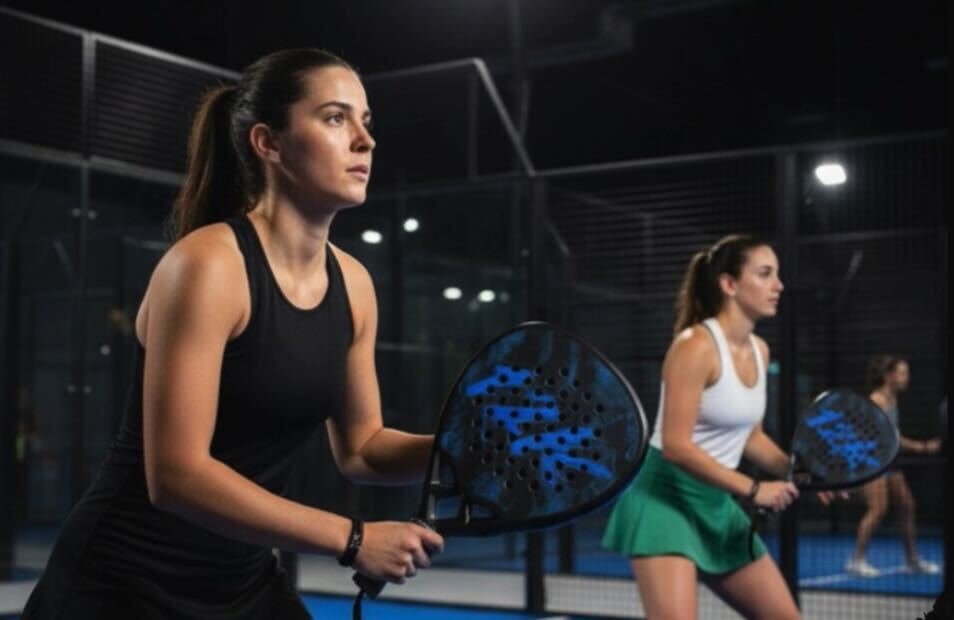
Summer padel is not the same game as autumn padel. The court is hotter, the ball flies faster, your grip is slippery within ten minutes, and by the second set you are working harder than the score suggests. Playing it like October tends to end badly.
The adjustments are not complicated. But they are specific, and most players skip them. Here is what changed in the UK summer of 2026, and what to do about it next time the forecast climbs.
UK summers now get hot enough to stop play
This used to be a problem for players in Spain. Not any more. In late June 2026, London hit 34 degrees for three days running and at least one east London club cancelled every session on its canopy-covered outdoor courts and waived the cancellation fees. The indoor courts stayed open because they had air conditioning.
The club was following the Lawn Tennis Association's extreme heat policy, which recommends modifying play once the heat stress index reaches 34 degrees. Expect more UK clubs to apply the same rule. Padel courts trap heat far more than tennis courts, because the glass and mesh walls block the crosswind that would normally carry it away.
Start hydrating before you arrive
Hydration for a summer padel match does not start at the warm-up. It starts the morning of, and ideally the evening before. Arrive on your normal daily intake and you are already behind.
Drink at least 500 ml of water in the two hours before you play, and another 200 to 300 ml in the thirty minutes before warm-up. In hot conditions your body starts losing fluid almost immediately, and catching up during a match is much harder than staying topped up from the start.
What to drink during a match
Water is fine for shorter sessions in moderate heat. For anything over an hour in real summer temperatures, you need more than water. Plain water does not replace the sodium and potassium you lose through sweat. Cramp in the third set is usually a salt problem, not a fitness problem.
An isotonic sports drink, or water plus a pinch of salt and a banana, covers what water misses. Drink something at every changeover, not just when you feel thirsty. By the time thirst kicks in you are already mildly dehydrated, and that slows both reaction time and decision making.
Skip coffee and alcohol in the hours before a summer session. Both dehydrate you. A banana or a handful of nuts gives you a pre-match boost without the downside.
When you play matters more than you think
If you have any control over your booking time, use it. Playing between 11 am and 4 pm in June or July means competing in conditions that are hard on your body. Core temperature rises faster, performance drops earlier, and artificial turf runs far hotter than the air on a sunny afternoon, so the surface itself is radiating heat back at you.
Early mornings and evenings are a different experience entirely. Courts are cooler, the ball behaves more predictably, and you will almost certainly play better. Most UK clubs now run floodlit slots until 9 or 10 pm, and playing under floodlights is often the best padel of the week in July.
The ball changes in the heat
This is the part most players never think about. As the air inside a padel ball warms up it expands, the internal pressure rises, and the ball bounces higher and travels faster. The lob that landed a metre inside the back glass in April now sails out.
Two things follow from that. First, take pace off and aim shorter than feels natural, especially on lobs and anything you hit from the back of the court. Second, heat also makes balls lose pressure quicker, so a tin that lasts three sessions in autumn will feel dead after two in July. Open a fresh tin more often and keep spares in the bag.
Change how you play
With a livelier ball, rallies tend to be shorter, which saves energy, but each shot demands more control. The instinct is to keep swinging at full pace. The smarter approach is to prioritise placement over power and let the heat do the work when the ball sits up for you.
Take the full time between points. Use those seconds to breathe properly, let your heart rate drop, and reset your focus. Players who sprint back into position in summer heat make errors by the third game that they would never make in cooler conditions.
A wet towel at the side of the court is not a luxury. Running it over the back of your neck at changeovers pulls your core temperature down noticeably.
Your grip will let you down if you ignore it
Sweat is the enemy of your overgrip in summer. What stays tacky for a whole session in October will be slick within twenty minutes of a July match. A wet grip changes the way you hold the racket, throws your timing off, and is a common cause of wrist strain as players squeeze harder to compensate.
There are two broad types of overgrip. Tacky grips feel slightly sticky from the first point and are the default most players use all year. Absorbent grips feel drier and only really come alive once your hand starts sweating, which makes them the better choice in a heatwave.
Whichever type you use, it wears out faster in summer. Frequent players should change it every two to four sessions, and before every match if they are competing. Carry two or three spares in your bag and change the grip when it starts to feel slippery rather than waiting until it becomes a problem.
The 12k Padel Overgrips are built for consistent tackiness through long sessions, and in summer that consistency matters more than at any other time of year. If you are not sure when yours is due, read our padel overgrip guide.
Sun protection is not optional
Outdoor padel in summer means direct sun for the whole session. Apply sunscreen at least ten minutes before you start warming up so it has time to absorb before you begin sweating. Cover your neck, forearms, the backs of your hands, and the tops of your ears.
A cap or visor cuts glare, keeps your head cooler, and makes overheads easier to track on bright days. Light, breathable kit matters too. Cotton holds sweat and gets heavy.
Your racket changes in the heat
Heat softens the foam core inside a padel racket, which changes how the face responds on impact. The feel is a little less precise and the ball comes off slightly faster. Your timing adjusts to compensate, and that costs energy over a full session.
Keep the racket in your bag or in the shade between sets rather than face-up in direct sun, and never leave it in a hot car. A full carbon face holds its shape through temperature swings far better than fibreglass, which is one of the reasons 12k Padel builds every racket with a 12K carbon face and a medium EVA core.
Questions players ask about summer padel
Is it safe to play padel in 30 degree heat?
For a healthy adult, yes, with the right adjustments. Book early or late, drink before and during, use a wet towel at changeovers, and stop if you feel dizzy, stop sweating or get a headache. Once the heat stress index reaches 34 degrees the LTA recommends modifying play, and plenty of clubs will simply close their outdoor courts.
Why does the ball bounce higher in summer?
Warm air expands, so the pressure inside the ball rises and it rebounds harder off the court and the glass. Play shorter and softer than feels natural, and open new balls more often because they also go flat faster in heat.
Does heat damage a padel racket?
Short spells of play in the sun will not harm it. Leaving it in a car boot or in direct sun for hours can soften the core and loosen the face over time. Keep it in the bag between sessions and it will be fine.
Preparation is the whole game in summer
Summer padel rewards preparation more than any other version of the sport. The physical demands are higher, the ball is quicker, and the players who handle it best are the ones who treated hydration, timing, grip and ball choice as real priorities rather than afterthoughts. The same thinking applies when playing padel in the wind, which often arrives with the warm weather.
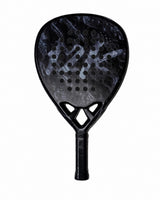
12k Padel is built for players who take those details seriously. If you want a racket that keeps its feel on a hot court, the Ice White gives you a 12K carbon face, a medium EVA core and a 365 gram teardrop frame that stays predictable from the first set to the last.