How Much Does Padel Cost in the UK? A Realistic Breakdown

The first question people ask after their first game is rarely about technique. It is about money. Padel has a reputation for being expensive, and some of that reputation is earned, but the real numbers are less frightening than the rumours.
Here is what a year of padel in the UK costs, split into the parts you control and the parts you do not.
Court Hire: The Main Ongoing Cost
Courts are billed per hour, per court, not per player. Across the UK you are looking at roughly £24 to £44 an hour off-peak, and £36 to £60 at peak times. London sits at the top of that range. Manchester and Birmingham come in lower.
Padel is doubles, so the bill splits four ways. An off-peak court at £32 works out at £8 each. A peak slot at a central London venue might be £14 a head.
Peak means weekday evenings between six and nine, plus most of the weekend. Those slots disappear about a week ahead. If your schedule allows a Tuesday morning or a two o'clock on a Thursday, you can cut your court spend by a third without changing anything else.
Where the Savings Actually Are
Play off-peak. Book with a fixed four so nobody drops out and leaves three of you covering a full court. Look past the flagship venues too, because smaller clubs on the edge of town often charge close to half what city centre sites do.
Budget operators are worth hunting down. Some run courts at £14 to £20 an hour off-peak, which brings a session under a fiver a person.
Kit: A One-Off Cost People Overestimate
You need a racket, shoes and balls. That is the whole list.
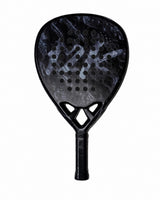
Rackets run from around £60 to well over £300. The frames at the top end are aimed at players who already know exactly what they want from a racket. For your first year, a well-built carbon frame in the £80 to £150 bracket does everything you need. We built 12k Padel around that idea, because spending £280 before you can reliably hit a bandeja is a poor trade.
Shoes cost £50 to £100 for a proper padel or clay-court sole. Running trainers will get you through two or three sessions and then start letting you slide at the worst possible moments.
Balls are £6 to £9 for a tube of three. A tube lasts a few sessions of social play before it goes flat and the bounce off the glass turns lazy. Overgrips are a couple of pounds each, and you will get through one every four or five sessions if you play hard.
The Real First-Year Kit Number
Racket, shoes, a handful of ball tubes and some overgrips lands between £150 and £250. Across a year that is under £5 a week, and the racket carries into year two and probably year three.
Coaching: Optional, But the Best Value on the List
Group sessions cost roughly £15 to £25 per person for an hour or ninety minutes. A block of six to eight weeks sits around £120 to £180.
Private lessons are £40 to £70 an hour at most clubs. Premium London venues charge more, and £80 an hour is not unusual there.
Three or four lessons early on will save you a year of grooving bad habits into your game. If the budget is tight, a block of group coaching beats the same money spent on extra court time. You improve faster, and improving is what keeps people playing.
Memberships: Worth It Past a Threshold
Most clubs offer some form of membership. The common shapes are £30 to £60 a month for discounted court rates and priority booking, or £80 to £150 a month for unlimited play at bigger venues. Some clubs keep it simple with an annual fee closer to £130.
The maths is not complicated. Under four hours of court time a month, pay as you go. Between four and eight hours, a discount membership usually pays for itself. Over eight hours a month, unlimited starts to win.
Priority booking is the underrated part. At a busy club, being able to grab a Wednesday evening slot before general release is often worth more than the discount attached to it.
What a Year Actually Looks Like
Say you play once a week, off-peak, with three regulars. Court hire at £8 a head across fifty weeks comes to £400. Add £200 of kit in year one and one block of group coaching at £150. That is £750 for the year, or about £14 a week.
Now play twice a week at peak times in London, with a premium membership and monthly private lessons, and you can push past £2,500. Both of those are padel. The gap between them is made entirely of choices.
Hidden Costs Nobody Mentions
Parking at city centre clubs. The post-match drink that turns into three. Replacing shoes sooner than you expected because padel chews through soles faster than tennis does.
None of it is huge on its own. Together it adds maybe 10 to 15 percent to whatever you budgeted, so plan for it rather than being annoyed by it.
The Cheapest Way In
Borrow a racket for your first two or three sessions. Most clubs hire them for a few pounds. Play off-peak, share courts with a fixed group, and hold off on buying anything until you know the habit is sticking.
When it does stick, buy shoes and a racket in that order, and ignore everything else for a few months.
If you have got to the point where club rackets are wearing thin, the 12k Padel Court Pack covers the racket, overgrips and head protector together, which handles most of that first-year kit list in one go instead of three separate orders. Sort the gear once, then spend the rest of your budget on court time.