Padel for Seniors: How to Start Playing Later in Life
There is a common assumption that padel is a young person's game. Walk into any busy padel club on a Tuesday morning, though, and you will find people in their 50s, 60s, and older playing regularly, enjoying themselves, and getting better week by week. The sport suits older beginners in a way that tennis, squash, or most other racket sports simply do not.
Why Padel Works Well for Older Players
The court is small. At 10m by 20m, it is roughly a quarter the size of a tennis court, and the enclosed glass walls mean the ball stays in play far longer. You get more time on the ball and fewer desperate sprints to retrieve a shot that was never coming back.
The padel racket is shorter and lighter than a tennis racket, and the ball bounces lower and slower. You have more time to prepare for each shot. These factors alone take a significant amount of physical stress out of the game, and the sport does not punish you the way tennis does for being a step slower than you once were.
Padel is doubles only. You always share the court with a partner, and that shared responsibility takes real pressure off each individual rally. For older beginners who might feel anxious about their level, this is a significant relief.
The Physical Side: What to Know Before You Start
Padel is low-impact compared to tennis or squash, but it still places demands on your body. Short lateral bursts, quick stops, and overhead shots all require reasonable mobility. If you have existing knee, hip, or shoulder issues, it is worth checking in with a physio before you start, just to make sure you are moving in a way that protects those joints.
Footwear is more important than most beginners expect. Padel involves constant side-to-side movement, and shoes designed for indoor court sports will support your ankles far better than running shoes or gym trainers. It is one of the first things worth spending money on.
Build up gradually. Playing twice a week for an hour is plenty when you are starting out. Tendons and connective tissue adapt more slowly than cardio fitness does, and rushing the process is the most common reason older beginners develop elbow or shoulder soreness.
Starting From Zero: What to Expect
Your first few sessions will feel chaotic. The glass back walls are part of the game in padel, and learning to read and play balls off those surfaces takes time. Most complete beginners spend the first two or three sessions just adjusting to the court dimensions and pace.
Do not worry about tactics early on. Focus on watching the ball, getting into position before it arrives, and keeping your shots controlled rather than powerful. Padel rewards consistency and patience far more than brute force, and this actually advantages older players who are willing to play a structured, deliberate game.
Group beginner sessions at most clubs are an excellent way to get started quickly. Coaches break down the basics in a structured format, and you will be playing alongside other people at a similar level, which removes the intimidation factor entirely.
Choosing the Right Racket as a Senior Player
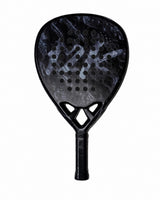
Racket choice matters more for older beginners than it does for younger ones. A stiff racket transfers vibration to your arm with every shot, and that adds up fast over a one-hour session. For seniors, look for a racket with a soft foam core and a round or teardrop shape. These are more forgiving, easier to control, and generate less impact on your elbow and wrist.
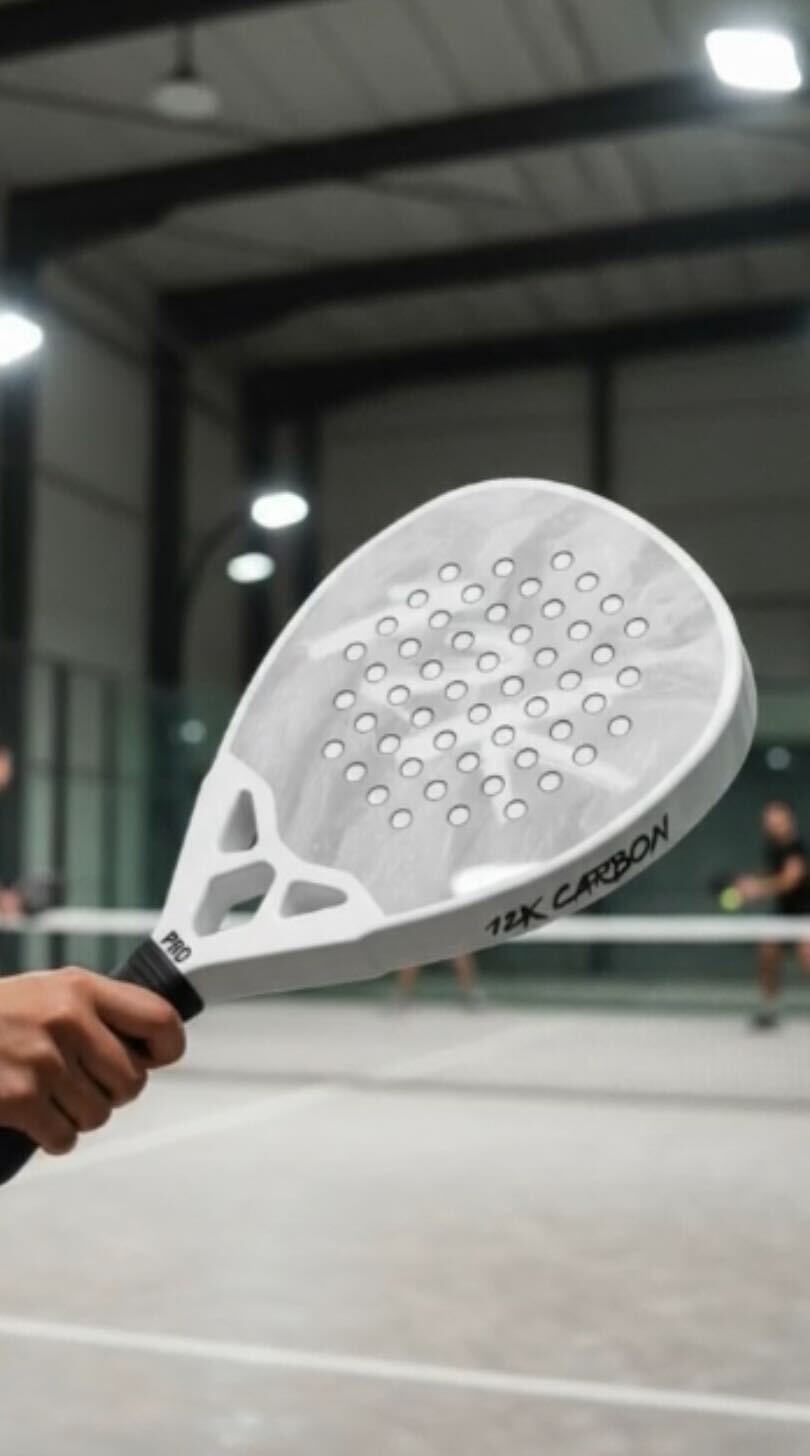
Carbon fibre rackets are worth considering even at beginner level. The material keeps the weight low, which reduces swing weight and puts less strain on your shoulder. At 12k Padel, our rackets have a 12K carbon fibre face and weigh 365 g, mid-range. If you want something lighter, look around 340 to 350 g.
Keep your overgrip fresh. A worn-out grip makes you grip harder to compensate, and that tension is one of the most common triggers for elbow pain in padel players. Replacing it regularly takes about two minutes and protects your arm considerably.
The Social Side
One thing most new padel players do not anticipate is how social the game turns out to be. Because you are always playing doubles, there is a natural conversation between partners before and after every point. Most clubs also run sessions designed to mix up players and keep the social side moving, so you end up meeting a lot of different people quickly.
For older players who may have drifted away from team sports over the years, padel offers a way back into regular exercise that also involves genuine community. You book a court, you show up, you play. The format is simple, and the scene at most UK clubs is welcoming to newer players regardless of age.
Managing Recovery
Recovery takes longer as you get older, and that is just a fact to work with rather than resist. A short cool-down after each session, five minutes of light stretching for your calves, hips, and shoulders, makes a noticeable difference to how you feel the next day.
Hydration matters more for recovery at 60 than it did at 30. Drink water before, during, and after every session as a default, not just when you feel thirsty. If something hurts sharply or persistently, do not play through it. A week off to let something settle is always better than six weeks off because you ignored a warning.
How to Get Started
Find a local padel club, book a beginner group session, and turn up with comfortable court shoes. Most clubs will lend you a racket for your first session, so there is no need to invest in equipment until you know you enjoy it. After two or three sessions, you will have a much clearer sense of what level of kit makes sense for how often you plan to play.
When you are ready to invest in your own equipment, the 12k Padel Court Pack puts everything you need in one place: a high-quality 12K carbon racket with the accessories to go with it. It is a solid starting point for anyone picking up the game, and a practical option if you want to avoid buying bits and pieces separately.
Padel is one of very few sports that actively rewards patience and positioning over raw speed. Play sensibly, look after your recovery, and you will still be on court in years to come.