Is Padel Good Exercise? The Health Benefits of Playing

People come to padel for the fun and stay for the way it makes them feel. Ask around any club and you will hear the same story. They booked a court for a laugh with friends, then noticed a few weeks later that they were sleeping better, moving easier, and turning up more often than they meant to.
So is padel actually good exercise, or does the social side just make it feel that way? The short answer is yes, it counts, and it counts more than most people expect.
How Many Calories Padel Burns
An hour of recreational padel burns somewhere between 400 and 600 calories for most players. Beginners tend to sit at the lower end, around 300 to 400, while a hard competitive match can push past 700.
The number holds up because padel keeps you moving the whole time. You are not standing around waiting. Between the short sprints, the squats to dig out low balls, and the constant small adjustments, your body rarely gets a proper rest until the point ends.
It Works Your Heart, Not Just Your Legs
Heart rate during a decent padel session usually sits at 70 to 80 percent of your maximum. That is squarely in the cardio zone, the same range you would aim for on an interval run, except you are chasing a ball instead of watching a clock.
What sets it apart from steady jogging is the stop-start pattern. Your heart rate climbs through a long rally, drops a little between points, then climbs again. That rhythm trains your cardiovascular system in a way flat, even exercise does not, and over time it strengthens the heart and helps keep blood pressure in check.
A Full Body Workout in Disguise
Padel does not feel like a gym session, but it uses nearly everything. Your legs do the heavy lifting, bending and pushing through every low ball near the glass. Your core works hard on every rotation as you turn into a shot.
The upper body gets its share too. Shoulders and arms drive the volleys and smashes, and because the racket is light, the effort spreads across a full session rather than landing on one big movement. You finish tired in places you did not expect, which is usually a sign the whole chain has been working.
Balance, Reflexes and Staying Sharp
The quick changes of direction do more than burn energy. Reaching for a ball off the back wall, splitting to cover the middle, resetting after a lob, all of it trains balance and coordination. For older players especially, that kind of movement helps lower the risk of falls later on.
Because padel is weight-bearing, the impact of your feet on the court also supports bone density, which matters more as the years add up. It is one of the quiet benefits nobody mentions when they first pick up a racket.
The Part That Helps Your Head
The physical side is only half of it. Reading angles, calling shots, and making split-second choices keep your brain busy the whole match. Early research even links racket sports to higher BDNF, a protein tied to brain health.
Then there is mood. Playing padel releases the usual feel-good chemicals, endorphins, dopamine and serotonin, while pulling down the stress hormone cortisol. Plenty of players walk off court lighter than they walked on, and studies on racket sports back that up, pointing to lower stress and less loneliness among regular players.
Why the Social Side Makes It Stick
The best exercise is the one you keep doing, and this is where padel wins. It is always played in fours, close together, with chat between every point. You are not grinding through a solo workout you dread. You are meeting friends for a game.
That built-in social pull is why people who bounce off the gym end up hooked on padel. The fitness arrives almost by accident, wrapped up in something you look forward to. Booking the court feels like seeing mates, not ticking a box.
How to Get the Most From It
A few small things help. Warm up before you start, even a couple of minutes of easy movement, so your shoulders and knees are ready. Drink water through the session, not only at the end.
Play regularly rather than once a month. Two or three sessions a week is where people see real changes in fitness, and it is enough to build the habit without wrecking your body. Good court shoes matter too, since the sideways movement asks a lot of your ankles.
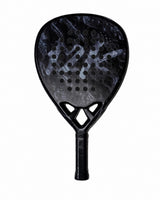
Kit does not need to be fancy, but a racket you can actually control makes the whole thing more fun, and more fun means more sessions. At 12k Padel we build frames that stay easy on the arm while giving you enough feel to enjoy long rallies, which is what keeps beginners coming back.
So, Is It Worth It?
Padel gives you real cardio, a full body workout, better balance, and a clear lift in mood, all inside a game that feels like a night out with friends. Few forms of exercise tick that many boxes at once, and fewer still make you want to book again the moment you finish.
If you want to turn that into a habit, start with a racket that suits a player still finding their feet. The Shark Blue from 12k Padel is built for control and comfort, so you can chase down more balls, stay in longer rallies, and get the workout without the sore arm. Grab one, book a court, and let the fitness sneak up on you.