How to Serve in Padel: A Beginner's Guide
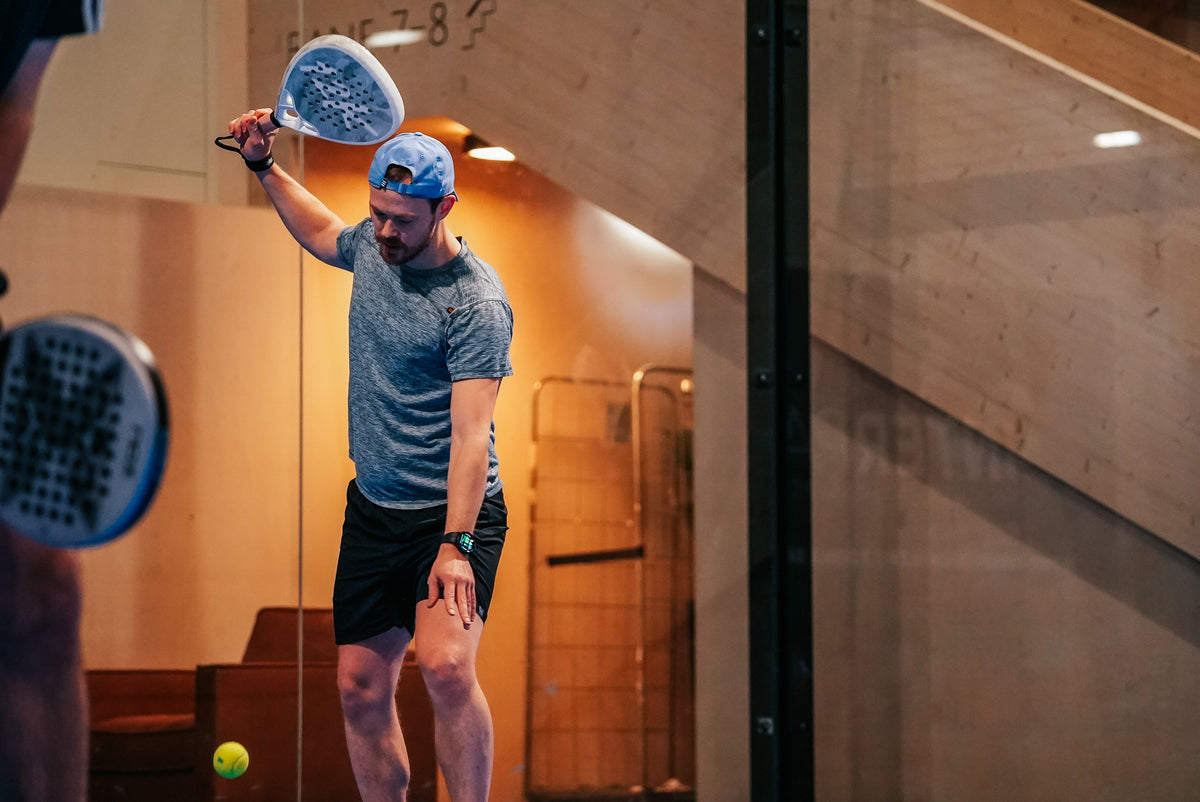
The serve in padel is the shot that starts every single point. Get it right and you give yourself and your partner the best chance of controlling the rally from the net. Get it wrong and you're immediately on the back foot. The good news? Learning how to serve in padel is far more straightforward than in tennis, and with a few key principles, you can build a serve that consistently puts pressure on your opponents.
The Basic Rules of the Padel Serve
Before working on technique, it helps to know what the rules actually allow. In padel, the serve must be hit underarm. The ball has to bounce on the ground first, and you must make contact at or below waist height. Both feet need to stay behind the service line until you strike the ball, and the serve must travel diagonally into the opposite service box, just like in tennis.
If the ball hits the net and lands in the correct box, it counts as a let and you serve again. If it hits the net and bounces into the wrong box or doesn't cross, it counts as a fault. You get two attempts per point.
Padel Serve Technique: Getting the Fundamentals Right
Stand sideways to the net with your non hitting hand holding the ball at around waist height. Your feet should be shoulder width apart, weight slightly on your back foot. Use a continental grip, which is the same grip you would use to hammer a nail. This grip gives you the most versatility for adding spin and changing direction without tipping off your opponent.
Drop the ball cleanly in front of you. Don't toss it up. The drop should be controlled and consistent so the ball bounces to a comfortable height every time. As the ball rises from the bounce, swing through with a smooth, relaxed motion. Think of it more like a pendulum than a punch. Transfer your weight forward as you make contact, rotating your shoulders naturally through the shot.
One of the most common beginner mistakes is trying to hit the serve too hard. Power is not your friend here. A well placed serve at moderate pace will cause far more problems than a fast one that sits up nicely for your opponent to attack.
Where to Aim Your Padel Serve
Placement beats pace in padel serving, every time. There are a few targets that work well at every level.
Into the Glass
This is the go to serve for most situations. Aim for the ball to bounce in the service box and then carry into the back glass. The change of direction after hitting the glass makes it awkward for the returner, especially if they are still learning how to read the bounce off the walls. Serving into the glass buys you extra time to reach the net and get into position with your partner.
At the Body
Serving directly at your opponent's body takes away their ability to swing freely. They have to adjust quickly, which often produces a weaker return. This works particularly well against players who like to take big cuts at the ball.
Wide to the Fence
A serve angled wide pushes your opponent out of position and opens up the court for your next shot. This is a good change of pace option rather than your default serve, because if you go wide every time, your opponent will start anticipating it.
Adding Spin to Your Serve
Once you are comfortable with a flat serve, the next step is adding slice. A slice serve curves away from your opponent and stays low after the bounce, making it harder to attack. To hit a slice serve, brush across the back of the ball from right to left (for right handers) at the point of contact. You don't need to change your grip or your stance. Just adjust the angle of your racket face slightly and let the wrist do the work.
The slice serve into the glass is one of the most effective combinations in padel. The spin changes the angle off the wall and can leave returners guessing. It's worth spending time on the practice court getting this one dialled in. A racket with a textured face can help you generate that spin more naturally, especially as a beginner still building your feel for the ball.
What to Do After You Serve
This is where a lot of beginners lose the advantage they just created. The serve is not the end of the point. It is the setup. As soon as you make contact, move forward towards the net. Your goal is to reach the net alongside your partner before the return comes back. The net is the dominant position in padel, and getting there quickly after serving is one of the simplest ways to win more points.
Don't sprint blindly. Take controlled steps and be ready to split step (a small hop to get balanced) just as your opponent is about to hit their return. This puts you in the best position to react to whatever comes back.
Common Padel Serve Mistakes to Avoid
Hitting too hard is the big one. Dial it back to around 60 to 70 percent power and focus on where the ball lands. You will win more points from good placement than raw speed.
Tossing the ball instead of dropping it is another common fault. A toss introduces inconsistency. Drop the ball from the same height every time and your contact point stays reliable.
Standing too close to the centre line limits your angles. Give yourself room to serve wide or into the body by standing a step or two from the centre. And finally, don't forget to move forward. Staying on the baseline after serving gives your opponents all the time and space they need.
Practice Routine for Your Padel Serve
Set aside ten minutes at the start of each session to work on your serve. Place targets in different areas of the service box: one near the glass, one at the body, one wide. Aim for each target in rotation, keeping a count of how many you hit out of ten. This builds accuracy and consistency without turning practice into a chore.
As you improve, add the slice serve into the rotation. The variety alone will make you a tougher player to read, even before your technique reaches an advanced level.
Start Every Point on Your Terms
The padel serve is your one opportunity each point to dictate what happens next. It doesn't need to be flashy. It needs to be consistent, well placed, and followed by a quick move to the net. Nail those three things and you will notice a real difference in your results on court. 12k Padel is here to help you improve your game, whether you are picking up a racket for the first time or looking to sharpen the details that matter most.