How to Take the Net in Padel: Winning the Transition Zone
The strip of court between the service line and the net decides more club points than any single shot. Not the smash, not the lob. Just who gets forward first and who gets stranded halfway.
Spanish coaches call that middle area the swamp. You are too far forward to let the ball come off the back glass and too far back to volley properly. Nobody wants to be there. Most beginners spend half a match in it anyway.
Why the net is worth so much
Padel rewards height and pressure. Standing close to the net you take the ball early, hit down on it, and close off angles before your opponents have finished recovering from the last shot.
From the back you are doing the opposite. Reacting, waiting, hoping the glass gives you something workable. You can win points from there, but you are winning them against the run of play.
Watch any decent pair for ten minutes and the pattern is obvious. The team at the net takes the majority of the points. That does not change as you climb the levels. It just gets harder to earn the position.
When to move forward
Straight after a deep lob
This is the main one. Your lob clears their rackets and drops near the back glass. They have to turn, chase it, and hit with their back to you. Go.
Move on the lob, not after it. If you stand and admire the flight to check whether it landed well, you have burned a second, and that second is the difference between arriving at the net and arriving in the swamp.
When they give you something short and slow
A ball floating around the service line with no pace on it is a free ticket. Take it as a volley and keep walking forward. Do not stop to hit it and then wonder whether to advance.
Off your own serve
Serve and follow it in. The padel serve is underarm and slow, so the return usually comes back at a height you can handle. The serving pair should be at the net by the third shot of almost every point.
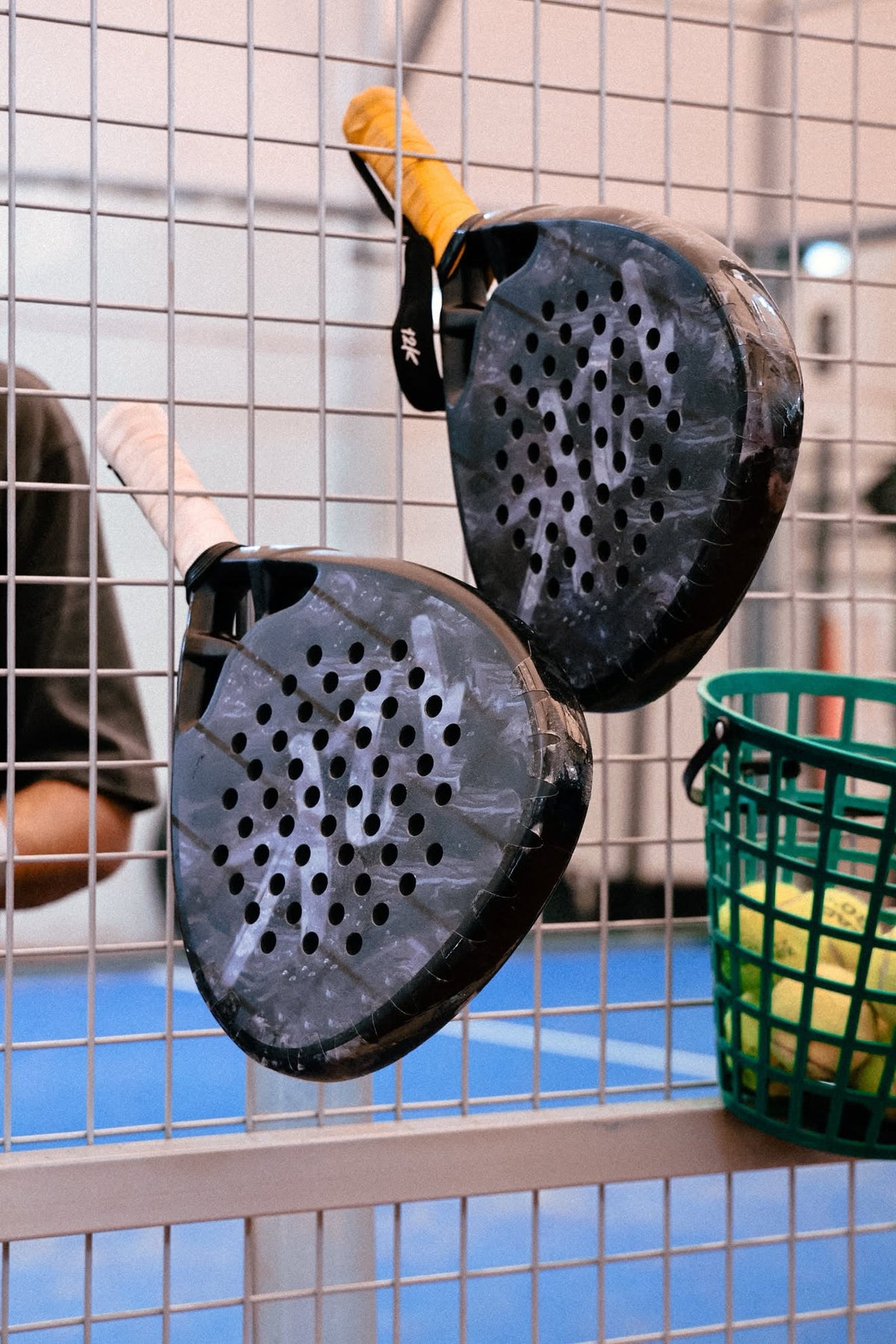
Plenty of players at 12k Padel sessions serve well and then stand behind the service line watching. That is handing back the one built-in advantage the serve gives you.
How to get there properly
Move as a pair
You and your partner are joined by an invisible pole. Both at the net or both at the back. One up and one back is the formation that loses points, because the gap between you is exactly where a decent opponent aims.
Say something. A short call of net or back is enough. Silent transitions are how one player ends up alone at the front while the other is still defending a ball that is no longer a threat.
Split step before every contact
Running forward in a straight line makes you easy to pass. As your opponent is about to hit, do a small hop and land with your weight balanced. Now you can push off either way.
This is the single habit that separates players who move forward well from players who charge forward and get lobbed. It costs nothing and it works from the first session.
Use the transition volley
You will often have to hit one ball on the way in, somewhere around the service line. That shot is not meant to be a winner. It is meant to buy you the next two metres.
Aim it deep, keep it low over the net, and send it towards a corner rather than the middle. A deep transition volley pins them back and gives you time to finish the walk to the net.
Hitting hard here is the common error. Pace off a low, awkward ball tends to sit up or find the glass, and then you are stuck in the middle facing a smash.
Racket up the whole way
Carry the racket head at roughly chest height as you move. Dropping it and lifting it again takes time you do not have when a ball comes back fast at your feet.
If you get caught in the middle
It happens. You are two steps short, the ball is at your ankles, and both opponents are looking at you.
The instinct is to hit something spectacular. Do not. Play a defensive lob, high and deep, and use the time it gives you to either finish your move forward or retreat all the way back with your partner.
Half measures are what hurt you. Standing still in the transition zone because you are unsure guarantees the next ball lands at your feet again. Pick a direction and commit.
Two drills that fix it
The first is a walk-through with no opponents. Start at the back with your partner, have someone feed a ball, lob it, and both move forward together to the net. Repeat it twenty times until moving as a unit stops requiring thought.
The second adds pressure. Play points where the back pair can only win by getting to the net first. Suddenly every lob has a purpose and every short ball gets punished. It also shows you how often you were staying back out of habit.
Fifteen minutes of this at the start of a session changes matches more than another hour of hitting smashes.
The equipment side
Net play asks different things of a racket than baseline defence does. You want quick handling for reaction volleys and enough control that a transition volley you rushed still lands deep instead of floating.
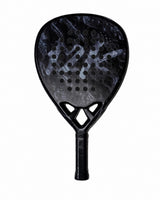
A frame that is manageable in the hand and forgiving on off-centre contact makes the whole job easier. The Shark Blue from 12k Padel sits in that space, built for players who want to be at the net and stay there. Get the movement right first, though. The best racket in the world will not help you win points from the swamp.