How to Defend in Padel: Simple Tactics That Turn Defence Into Attack
In padel, most recreational players are obsessed with attacking. The lob, the smash, the vibora. But a lot of matches are decided by who defends better. If you can stay calm at the back of the court and return everything your opponents throw at you, the pressure builds on them, and eventually they will make the mistake.
Good defence in padel is not just about survival. It is about patience, positioning, and knowing when to shift from defending to attacking. If you have already read our guide on how to attack in padel, this is the other side of that conversation.
Get Back to Position Every Single Time
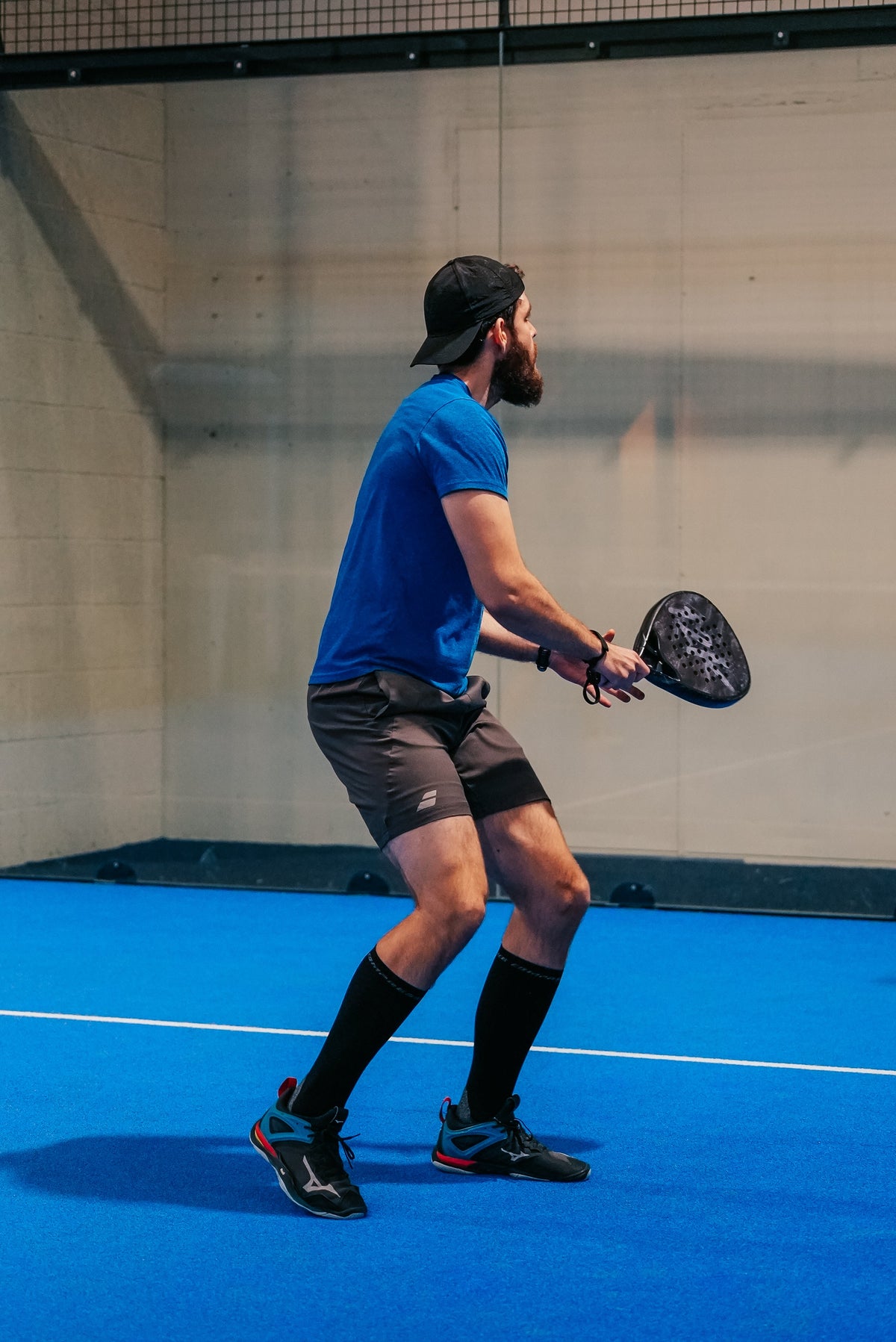
One of the most common mistakes in padel is standing too close to the back wall when defending. Your default defensive position should be around one metre off the back wall, roughly in line with your partner.
This gives you room to play the ball after it bounces off the glass, and it keeps you agile. If you are pressed right against the wall, you cannot swing properly and you will end up scooping the ball weakly into the net or floating it straight to your opponents. After every defensive shot, reset. Move back into position. Make your opponents earn the next point.
How to Read a Smash Before It Lands
Most defensive situations start when your opponents are at the net and you are at the back. They have the advantage, but that does not mean you are finished.
Watch the shoulders and racket arm of the player about to smash. Before they make contact, you can usually read whether it is going crosscourt or down the line. Start moving early rather than waiting to react after they hit.
For high smashes that land deep and bounce into the glass, hold your nerve. Let the ball come to you off the back wall and then play a controlled chiquita or a high lob back over their heads. Panic shots go straight into the net or straight back into their smash zone.
The High Defensive Lob
If there is one shot that saves more defensive points than any other in padel, it is the high defensive lob. When your opponents are pressing at the net, a deep, high lob forces them back. If it is good, they have to decide whether to smash from the back or let it bounce and come off the glass. Either way, you have reset the rally and bought time to get back into position.
The key is height and depth. Aim to land the ball near the service line or deeper. Too short and they will hammer a put-away smash. Too long and it sails out. A reliable defensive lob off your backhand is one of the most valuable weapons a developing padel player can build.
Using the Glass Walls to Your Advantage
The walls are not just obstacles. When you are defending, the back glass and side glass become part of your game.
If a smash or drive hits the back glass with pace, the ball will come back into the court and you can play it as a normal shot. The trick is letting the ball fully die off the wall before you make contact. Players who rush this, hitting the ball while it is still bouncing fast, almost always push it long or into the net.
On side-glass balls, stand sideways to the wall and move with the ball. Keep your racket compact. These are not the shots to swing big on. The more comfortable you get with glass, the more confident your defence will feel overall.
Communication With Your Partner
Defensive padel is a team effort. When you and your partner are both at the back, you need to talk. Call the ball early. Decide who covers the middle. If your partner is out of position chasing a wide ball, shift across to cover the centre.
Many recreational teams lose defensive rallies not because of poor shots but because both players go for the same ball or both leave it for the other. A simple call makes a huge difference. Defending as a unit is what keeps rallies alive until your opponents make the error.
When to Attack From the Back
Good defence does not mean just pushing the ball back indefinitely. You are always looking for the moment to take control.
If your opponent plays a short smash that sits up nicely in the middle of the court, that is your moment. A well-placed passing shot down the line, a good lob that lands deep, or a firm crosscourt drive can all shift the rally back in your favour. The transition from defence to offence in padel happens fast, so stay alert for any loose ball or poor positioning from your opponents. When the moment comes, commit to the shot.
The Right Racket Makes Defending Easier
Defending at pace, off glass, under pressure, requires a racket you trust completely. A round-shaped racket with a soft core gives you more control and a bigger sweet spot, which is exactly what you need when you are scrambling at the back of the court.
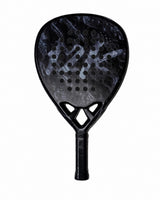
The 12k Padel Midnight Black is a teardrop with a 12K carbon face and a medium EVA core: a little more punch than a round racket, for players who want to defend and then attack. If defence and comfort are your priority, a round racket with a softer core is the safer choice.
Build the Habit, Not Just the Skill
Defending well in padel is a mindset as much as it is a technique. Staying calm under pressure, keeping your positioning honest, communicating with your partner, and waiting for the right ball to attack rather than forcing the issue. All of this takes practice and repetition.
The players who frustrate you most on court are rarely the ones who hit the hardest. They are the ones who never seem to break under pressure. With the right approach, that is the kind of player you can become. 12k Padel is here to help you get there, one session at a time.
If you are looking to upgrade your setup before your next session, take a look at the 12k Padel court pack and see what fits your game.