Padel Doubles Positioning: Where to Stand and Win More Points
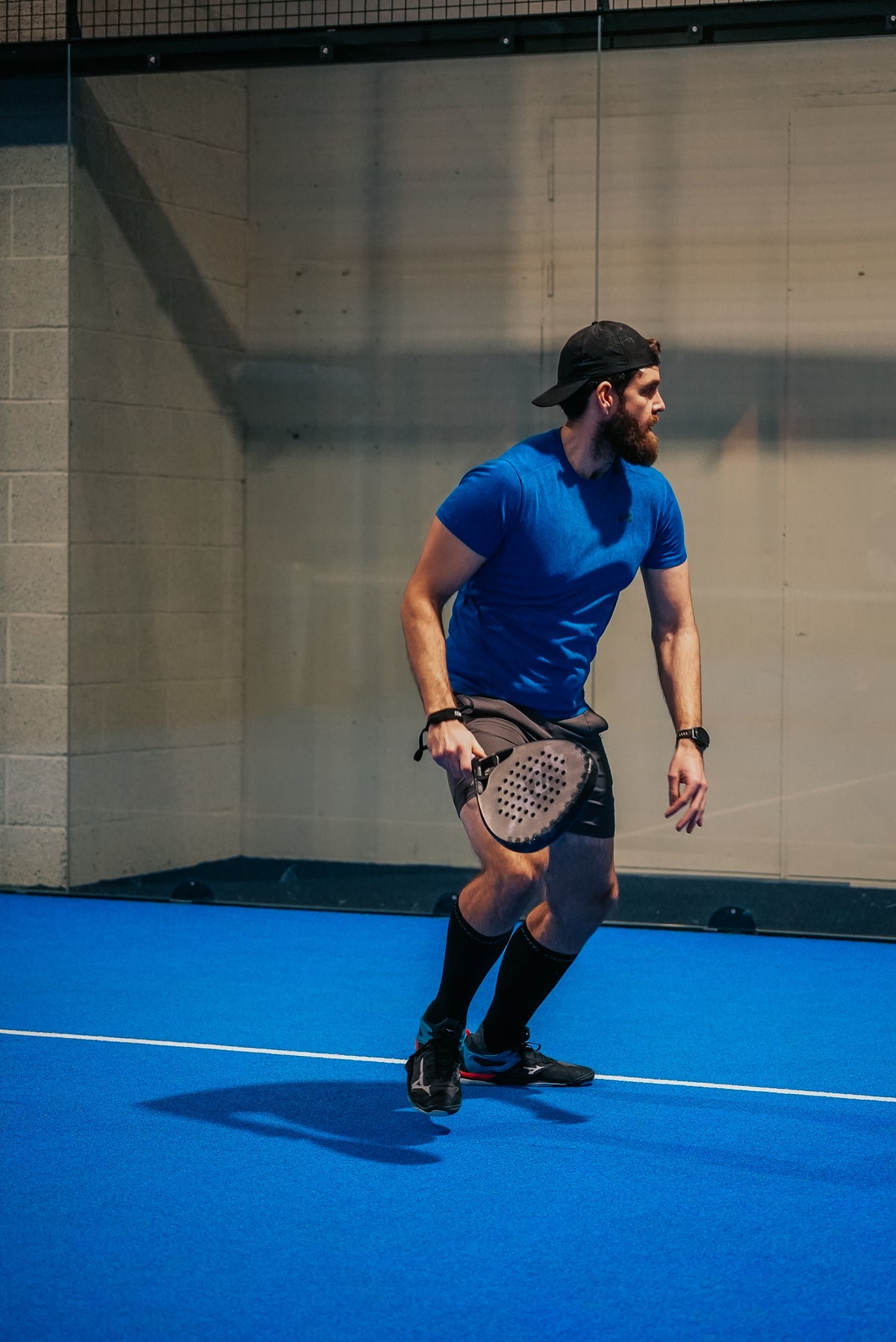
Padel is a game of two halves. There is the half spent at the back, reading the glass and absorbing pressure. There is the half spent at the net, closing space and finishing points. Most matches between players of similar level come down to who owns the front of the court more often.
If you are new to padel, or you have been playing for a while and still feel like you are chasing the ball around, this guide will help. We will walk through padel doubles positioning from the first serve to the final winner, with practical cues you can use in your next session.
Why padel doubles positioning matters more than technique
At club level, technique varies. Some players have a lovely volley. Others have a booming smash. A few have both. What separates the pairs that win from the pairs that lose is almost always where they stand, not how they strike the ball.
Good positioning gives you earlier sight of the ball, shorter reactions, and more angles. It also reduces the amount of court your partner has to cover, which matters because padel is a doubles game and your pair is only ever as strong as its geometry.
At 12k Padel we watch a lot of club matches in and around London, and the story repeats itself. The better pair is rarely the one with the prettier shots. It is the one that stands in the right place more often.
The two zones you need to understand
The padel court has two useful zones to think about. There is the back zone, roughly from the baseline to just behind the service line. There is the front zone, roughly from the service line to the net. Everything else is transition, and transition is where points are lost.
The back zone
When your pair is at the back, your job is defensive. You are trying to build the point, use the glass, and wait for a ball that lets you move forward. Stand a step or two inside the back glass, around the middle of the service box in width.
Do not camp on the baseline. You give yourself no time on deep balls and no access to short ones. Sit just inside the back glass and read.
The front zone
When your pair is at the net, you are in attack mode. Stand around a metre from the net, with your racket up and slightly in front of your body. Your feet should be light. You are looking to cut off any ball you can reach and push your opponents deep.
Do not press too close to the net. The lob is the single most common shot in intermediate padel, and a pair that stands on top of the net is a pair that gets lobbed all day long.
How to move as a pair
Padel positioning is not about where each player stands alone. It is about how the pair moves together. If one of you goes up, the other goes up. If one gets pushed back by a lob, the other retreats too.
Think of a piece of elastic running between you. It stretches a little, but not much. A five metre gap between partners is a winning gap for your opponents.
Staying connected when attacking
When you are both at the net, stand roughly two metres apart, both of you a metre off the net. Slide left together if the ball is on your left, slide right together if it goes right. The player closest to the ball takes it. The far player covers the middle and the lob.
Staying connected when defending
When you are both at the back, stay level with each other, around three to four metres apart. If a lob goes up, the player under it calls, the other slides into the centre to cover the next shot.
Serving and returning positions
At the start of every point, position sets the tone. A good serve and return sequence almost always ends with one pair at the net and the other at the back.
When you serve
The server stands a step behind the baseline, just inside the centre line. As soon as the serve is hit, both players sprint to the net. The aim is to be set at the net by the time the returner makes contact. This is the single most important movement in padel and most club players do it far too slowly.
When you return
The returner stands just behind the baseline, around the doubles sideline. Your partner starts near the net. After the return, the returner joins their partner at the net only if the return was deep and low. If it was short or floaty, you stay back and expect a volley coming your way.
The three positioning mistakes that cost most club players points
Three mistakes show up in almost every club match. Stop these and your win rate will climb before you hit a single extra ball.
First, standing flat on the baseline. You are too far from the glass to use it and too far from the net to attack. Step in, or commit forward.
Second, one partner at the net, the other at the back. You are split. Good opponents will aim everything at the gap between you. Move together.
Third, crashing the net after a weak shot. If your ball sat up or landed short, expect a volley straight at your feet. Hold your position, or slide back, do not commit forward.
Drills to lock in your padel doubles positioning
You do not need to change your swing to play better padel. You need to change your feet. Three drills will help.
Shadow each other for a full point without hitting the ball. One of you moves, the other mirrors. You will feel the elastic.
Play a set where the only rule is that both partners must be in the same zone. If one drifts, you lose the point. It sounds silly, it works.
Finally, play points that start with a lob. Practise the retreat together. Own that transition and you own the match.
Gear that supports fast footwork
Movement is the real skill of padel, and movement needs a racket that does not punish late preparation. A frame you can swing quickly gets you out of trouble when you are out of position, which happens more often than anyone admits.
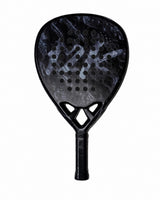
If you are weighing up your setup, the 12k Padel racket range is built around the shots UK players actually hit. The carbon grades are matched to feel and control, not just power, which helps on those stretched volleys where placement beats pace.
Start with feet, finish with racket
Padel doubles positioning is not glamorous. Nobody posts a clip of themselves moving two metres across the court to close a gap. But that movement wins points, and points win matches.
Get to the net together. Defend together. Move together. Then worry about the rest.
See you on court.