Who Takes the Middle Ball in Padel? A Simple Guide
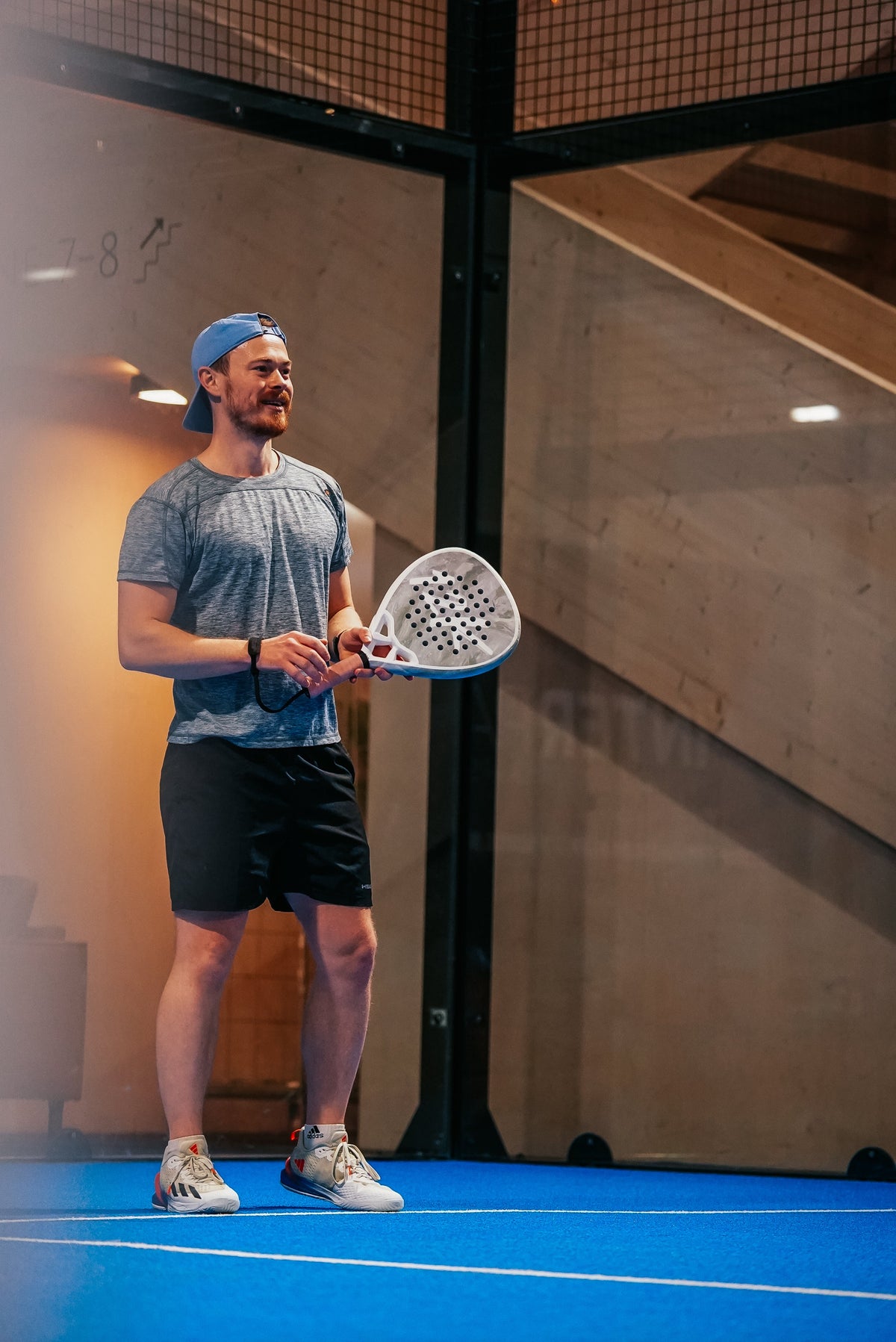
Two players standing three metres apart, both watching a ball drop down the centre of the court, both waiting for the other one to move. It bounces. Nobody says a word. You lose the point, and the next thirty seconds are quietly awkward.
Every pair does this. The middle ball is the most common way club players hand over points that had nothing to do with technique.
Why So Much Ends Up in the Middle
Good opponents aim there deliberately. The net is at its lowest in the centre, the angles available to you shrink, and the shot forces a decision between two people instead of one.
The glass makes it worse. A centre ball that gets past both of you runs into the back wall and comes off at a height neither player has read, so one mistake turns into two.
Anyone who has played a season knows the feeling. It is not a hard shot to hit. It is a hard shot to own.
The Default: Forehand Takes It
For two right-handed players, the middle ball belongs to whoever is on the left side of the court. Standing on the left with your racket in your right hand puts your forehand pointing at the centre, so the ball arrives on your strongest wing without you turning at all.
The player on the right would have to reach across their body and play a backhand volley on the run. Same ball, much worse shot.
That is the whole rule in one line. Forehand takes the middle. Almost everything else is an exception to it.
Why the Left Side Carries More
The left-side player in padel is usually the busier one. They cover the centre lobs, they take most of the overheads down the middle, and they finish points with the vibora and the smash.
If you are new to that side, expect to touch the ball far more often than you did on the right. That is the job, not a sign that your partner is hiding.
When the Default Stops Working
A pair with one left-hander changes everything. Put the lefty on the right and both players have a forehand aimed at the centre, which is the strongest formation in the sport and the reason so many mixed-handed pairs win more than they should.
The rule then flips to something simpler. Whoever volleys better takes it, and you decide that before the match rather than during the rally.
Two Backhands in the Middle
The awkward version is a lefty on the left or a right-hander on the right, which leaves two backhands meeting in the centre. Nobody wants the ball and both of you know it.
Pick a player in the warm-up and stick with it for the whole match. A backhand volley played by someone who expected it beats a forehand played by someone who did not.
Height Decides More Than People Think
A low ball at your feet in the middle goes to the forehand player, every time. There is no time to negotiate and the shot is difficult enough already.
A high ball is different. Anything that goes up over the centre and comes down as an overhead belongs to the left-side player, because that is where the attacking shots live and because a smash hit off the wrong shoulder goes nowhere.
Shoulder height in the middle is the genuinely contested one. If both of you are set and neither is moving forward, the forehand wins. If one of you is already stepping in, that player takes it regardless of which wing it lands on.
Call It Before the Bounce
Calling the ball as it arrives is too late. Your partner has already committed, and two rackets swinging at the same ball is worse than neither.
The call has to happen while the ball is still travelling. One word, loud, early. Anything longer than one syllable takes more time than you have.
What to Actually Say
Mine and yours cover most of it. Some pairs use out and leave for balls heading to the glass, and one word for the lob so the other player knows to drop back.
The exact words matter less than using the same ones every week. Players around 12k Padel who switch partners constantly tend to agree on three calls in the knock-up and ignore everything else.
Silence is a decision too, and it is always the wrong one.
The Fix Is a Conversation
Most pairs never discuss this. They play forty matches together, lose a handful of middle balls in each one, and treat it as bad luck rather than a gap in the plan.
Two minutes before you walk on solves it. Who is on the left, who takes the middle at shoulder height, what you shout for a lob. That is the entire conversation and it holds for the rest of the match.
If your partner is stronger on the volley than you are, give them the middle even if the forehand rule says otherwise. Rules are there to save you thinking, not to override what you already know about each other.
Drilling It Without a Coach
Stand at the net with your partner and have the other pair feed balls straight down the centre, alternating low and high. Twenty of them, calling every single one out loud even when it is obvious.
It feels ridiculous for the first minute. After that the calls start arriving before you think about them, which is the point.
The second drill is harder. Play a set where any middle ball nobody calls counts as a lost point even if you win the rally. You will hate it and you will stop leaving balls by the end of the hour.
One Small Thing That Helps
Middle balls arrive fast and often at an angle you did not plan for, so the racket you are holding matters more here than on a shot you had time to set up. A frame that stays steady on a rushed volley keeps the ball deep instead of dropping it short for the smash.
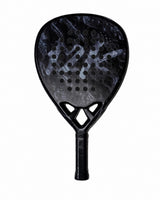
The 12k Padel Midnight Black is a sensible option for players who spend most of their time at the net, with enough control on quick contacts to keep a scrambled middle volley in play. Sort the racket, agree the calls, and stop losing points to a ball that both of you could have reached.