How to Play Against Better Players in Padel: Smart Tactics
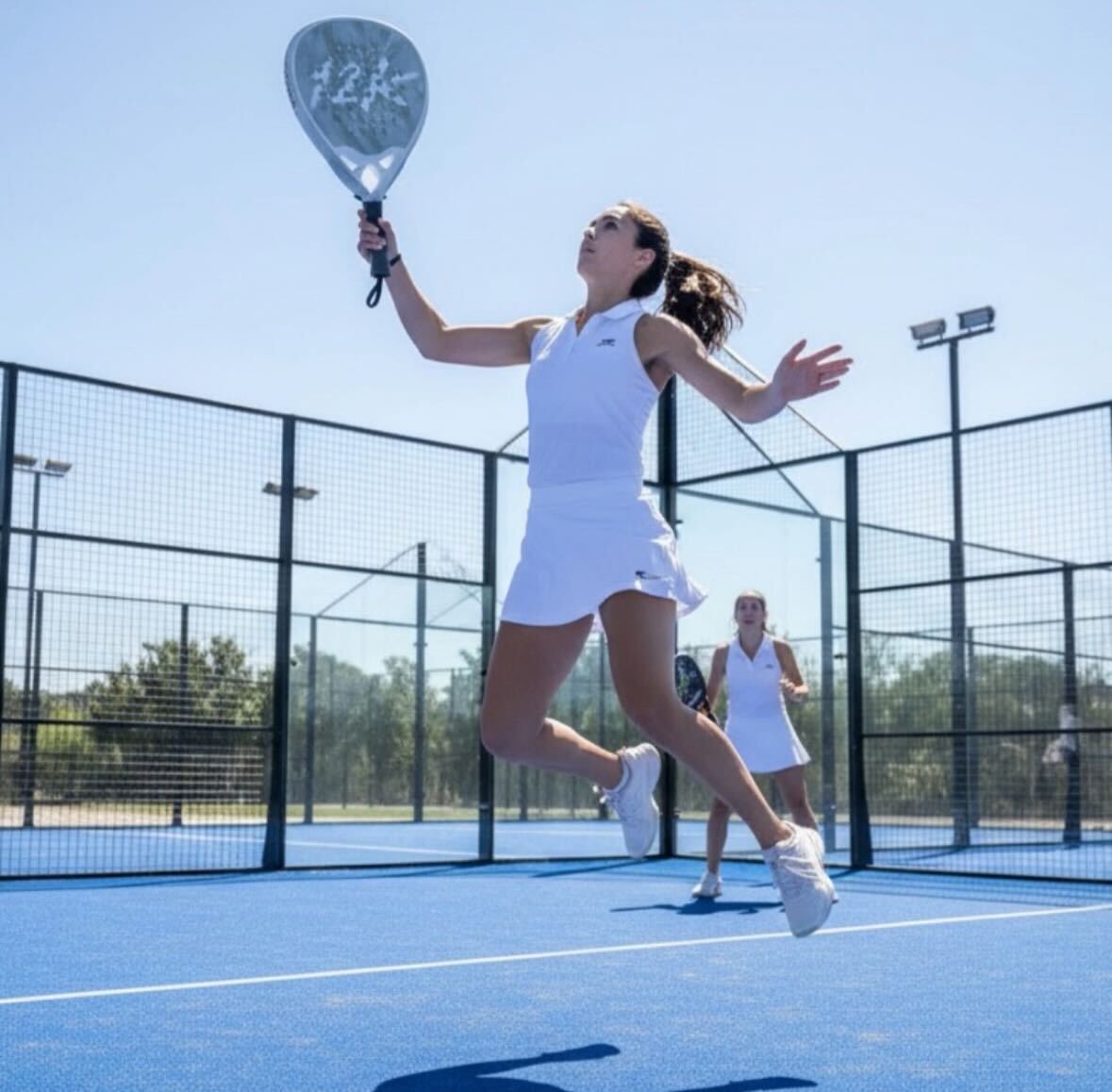
Everyone hits a session where the other pair is just better. Cleaner shots, calmer heads, always in the right place. You lose the first four games without really understanding how, and the urge is to swing harder and hope. That almost never works.
Playing stronger opponents is one of the fastest ways to improve, but only if you go in with a plan. Trying to match their power point for point is the plan that fails every time. Here is what actually gives you a chance.
Accept the gap, then play your game
The first mistake is pretending the gap is not there. You start going for lines you never hit in a normal match, and by the third game you have handed over a fistful of free points. Better players do not need your help. Give them nothing and make them earn every point.
Your job is not to out-hit them. It is to stay in rallies long enough for them to miss, and good players miss less, so the rallies have to be your weapon. Keep the ball in play. Make them hit one more shot than they want to.
Lob more than feels comfortable
The lob is the great equaliser against a stronger team. When better players get to the net they are hard to pass and harder to beat with pace. Push them back instead.
A deep lob over their heads takes away the net and buys you time to recover your position. It will not win the point outright most of the time. What it does is reset the rally on your terms and stop them dictating from the net, and against a pair who love to attack, that alone drags them out of rhythm.
Yes, they will smash some back. Let them. A pair working hard for every ball off the back glass is a pair you are keeping honest.
Target the weaker player
Most pairs are not evenly matched. One player is stronger, more experienced, more confident. Hit to the other one.
This feels rude and it is completely fair. Every level of padel is played this way, right up to the professionals. Find the weaker side, the shakier backhand, the player who drifts out of position, and keep the ball going there until something breaks.
The stronger player will start poaching to protect their partner. Now they are covering more court, leaving gaps, reaching for balls they would normally leave. That is the opening you were looking for.
Slow the game down
Strong players feed on pace. Give them a fast ball and they turn it into a faster one. So take the speed off.
The chiquita, the soft low ball at the feet of a netted opponent, is gold here. It forces them to hit up from an awkward height and hands you the chance to move in. Soft blocks off their smash, drop shots that die in the middle, gentle returns with no pace on them. Anything that makes them build their own power rather than borrow yours.
A patient, low, annoying game frustrates good players far more than a shootout, because a shootout is exactly what they want.
Fix your position first
Against better opposition, small positioning errors get punished at once. If you and your partner are not moving as a unit, they will find the gap between you every time.
Move together. When one goes back for a lob, the other goes back too. When you win the net, take it side by side and hold it. The middle of the court is where most points are lost against strong pairs, so decide early who takes the balls down the centre and stick to it.
Talk between every point
Silence is what sinks most pairs under pressure. Better opponents put you on the back foot, and the natural response is to go quiet and inward. Do the opposite.
Quick words between points keep you both in it. Who is serving where, which player you are targeting, a simple my side or yours on the next lob. It does not need to be a tactical lecture. It needs to stop you drifting into two people playing alone.
Keep your head when the score runs away
You might still lose. That is fine, and it is not the point. The scoreline against a better pair is a poor measure of how you played.
Watch what they do instead. How early they take the ball, where they stand when they lob, how rarely they go for a low-percentage winner. You learn more in one loss to a good pair than in ten wins against people you outclass. At 12k Padel we see players make their biggest jumps in the weeks after they start seeking out tougher games rather than avoiding them.
Set yourself a target that has nothing to do with winning. Win more than four games. String three points together. Break their serve once. Small wins inside a loss are how you close the gap for real.
Play up whenever you can
Comfortable matches feel nice and teach you almost nothing. If you only ever play people at your level or below, your level is where you stay.
Get into the club mix-ins. Say yes when a stronger group needs a fourth. You will lose more, and you will improve faster than the players who protect their egos with easy games. The padel that stretches you is the padel that changes you.
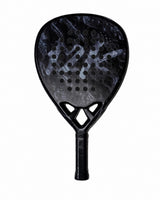
None of this works with a racket you cannot trust. When you are trying to keep the ball low, lob with control and drop the chiquita at someone's feet, a forgiving all-round frame does more for you than a stiff power head that punishes every off-centre hit. The Midnight Black from 12k Padel is built for that kind of controlled, patient game, giving you the feel to hang in long rallies against players who are meant to beat you. Sort your kit, pick your tactics, and go find a game you are not supposed to win.