How to Read Your Opponents in Padel: The Tactical Habit That Changes Everything
The players who improve fastest in padel are not always the ones with the best technique. Often they are the ones who pay attention. They watch their opponents during the warm-up, they notice tendencies as the match develops, and they adjust what they are doing based on what they see.
Reading your opponents is a skill, and like any skill it gets better with deliberate practice. This guide covers what to look for and how to use it.
Start Before the Match Begins
The warm-up is information. Watch how your opponents hit. Do they look comfortable going cross-court or do they always go down the line? Do they favour their forehand? Are they confident at the net or do they seem happier at the back of the court?
Most players have habitual patterns that show up from the very first ball. You do not need to build a detailed profile. You just need one or two observations you can test in the early games: he pulls away from his backhand, let us go there. That is enough to start with.
Watch Their Body Shape Before They Hit
The body tells you where the ball is going before the racket makes contact. A player who opens their shoulders early is usually hitting cross-court. A player who stays closed or turns sideways often goes down the line. Watch their hips, not just their racket.
This takes some practice to notice in real time, but once you start looking for it you will begin to read shots earlier and move before the ball has left their racket. That fraction of a second makes a significant difference to where you are on court when the ball arrives.
Notice the Patterns, Not Just Individual Shots
One shot tells you very little. Three shots in a row tells you something real. If an opponent consistently goes to your partner's backhand on the third ball of a rally, that is a pattern you can use. Start leaving that ball slightly earlier, or set the rally up differently to force them into a different decision.
Padel at every level above beginner is about shot sequences, not individual winners. The best teams construct patterns of play designed to get the opponents into a position where the final ball is difficult. Understanding what pattern your opponents are trying to run, and disrupting it, is one of the highest-value tactical habits you can develop.
Identify Who They Are Targeting
In doubles padel, most teams have a preferred target. Some pairs always attack the player on the left. Some always go to the weaker volleyer. Some target whoever was last to come forward. Pay attention to where the ball keeps going, not just how it is being hit.
Once you identify their preferred target, you have two options. You can protect that player better, or you can use it as a trap. If they always attack your partner on the right side when they get a short ball, your partner can start to anticipate, and your own positioning can shift to cover the space they leave behind.
Watch What They Do Under Pressure
Players under pressure revert to their most reliable shot. When your opponents are pushed deep, do they always lob? Do they go down the line? Do they try to lift the ball into the middle? Identify their preferred shot when stretched and use that knowledge to position early.
The same applies to your own pair. If you know that under pressure you tend to go cross-court, a good opponent will be reading that too. Awareness of your own tendencies makes you harder to predict and forces you to vary your game more deliberately.
Use Early Games as Research
The first set is not just about winning points, it is about gathering information. Try going to different areas of the court than you normally would. Test their backhand volley. Try a lob from a position where you would normally try to pass. Note what comes back.
This does not mean playing carelessly with the score. It means staying curious about what your opponents are finding difficult and using what you find to build a clearer picture as the match develops. By the second set you should have a much sharper sense of where to apply pressure and where to avoid.
Adapt as the Match Changes
The best tactical players are flexible. They come in with a rough idea and they adjust it as the match gives them new information. If an approach that worked in the first set stops working in the second, they change. If a player they had been ignoring starts taking over, they shift focus.
Rigidity is one of the most common tactical mistakes at club level. Players decide how they are going to play before they walk on court and ignore everything the match is telling them. Staying open to what you are seeing and responding to it is what separates players who are genuinely developing from those who are stuck at the same level.
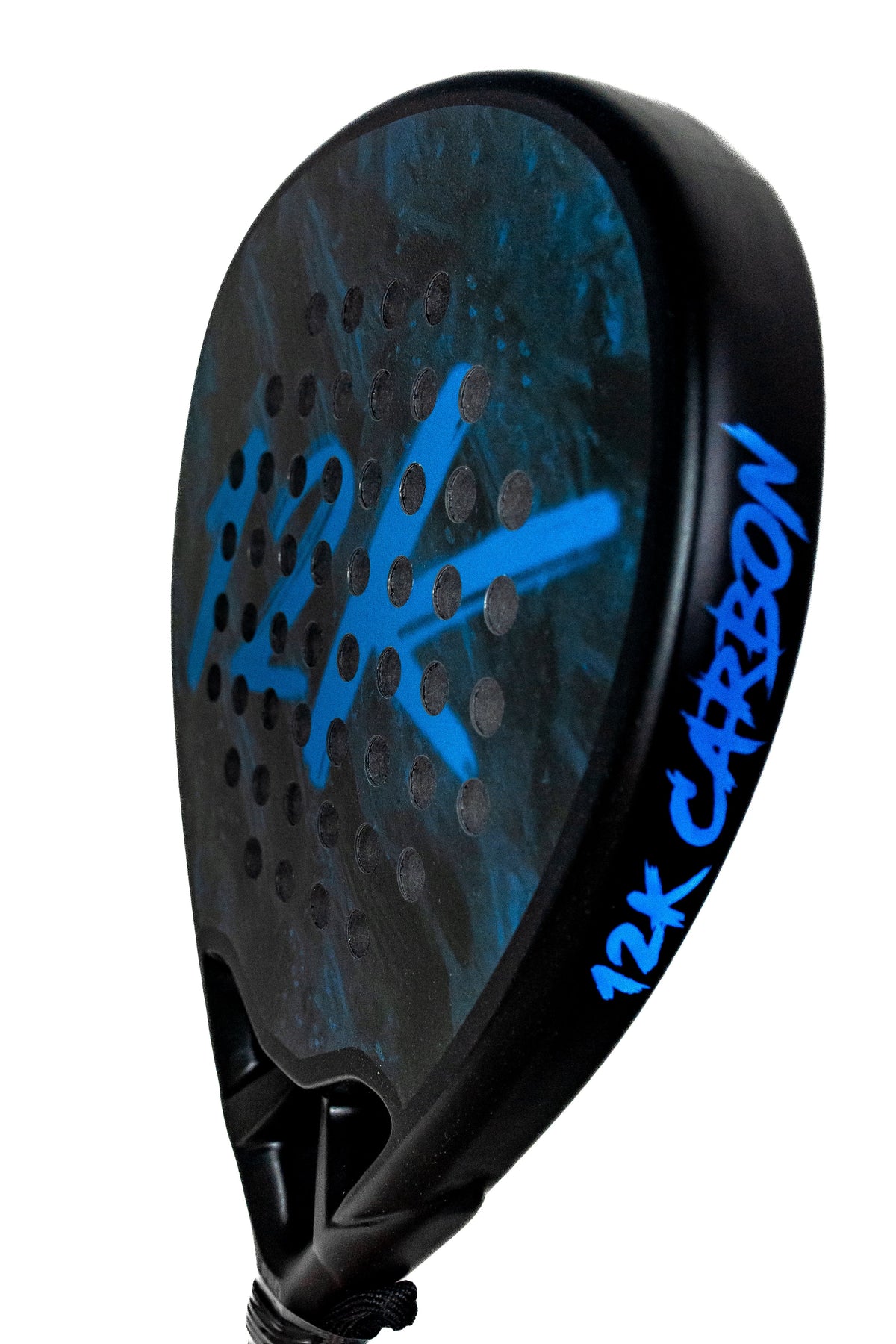
The more time you spend on court with this kind of attention, the sharper your reading of the game becomes. At 12k Padel, we make rackets for players who are serious about developing their game. If your tactical thinking is starting to click and you feel ready to step up your equipment too, the 12k Padel Midnight Black is built for players who want more control and feel as their game gets sharper.