Padel Elbow: How to Prevent It and Keep Playing Pain-Free
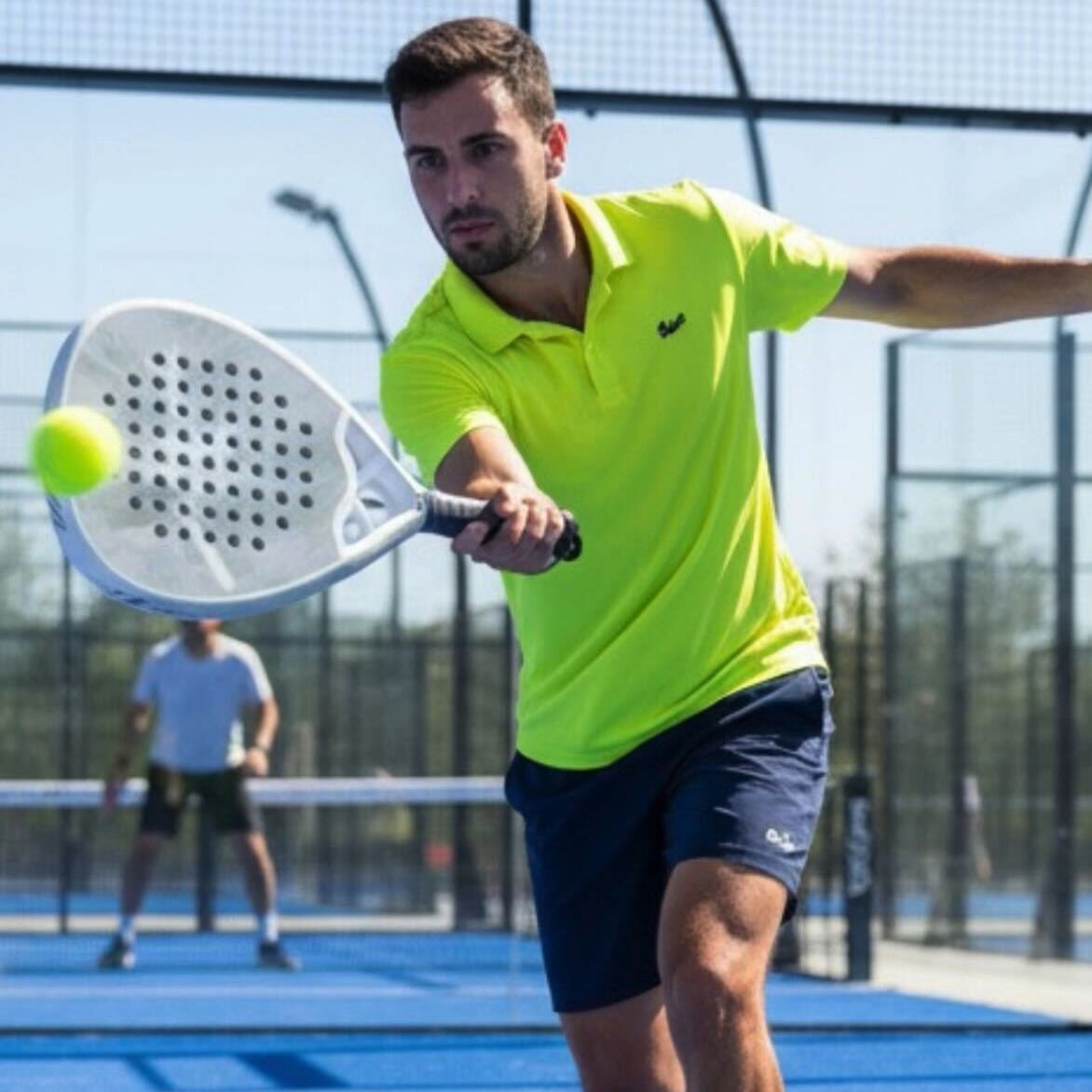
Ask around any UK padel club and you will find someone nursing a sore elbow. It is so common that people have stopped calling it tennis elbow and started calling it padel elbow. Same injury, different sport getting the blame.
The medical name is lateral epicondylitis. It is an overuse problem in the tendons that join your forearm muscles to the bony bump on the outside of your elbow. Small tears build up faster than the tendon can repair them, and the ache sets in.
What padel elbow actually feels like
It usually starts as a niggle on the outside of the elbow after a session. You notice it lifting a kettle or shaking hands, not only when you play. Left alone, it turns into a constant ache that flares every time you hit a backhand or grip the racket hard.
Catching it early matters. A twinge you rest for a week is a very different thing from a tendon you have angered for three months. Most players ignore the first warning and pay for it later.
Why padel players get it
Padel looks gentle next to tennis. The court is small, the swings are shorter, the ball is slow. But you play a lot of points, and plenty of them involve sharp wrist and forearm movements that load the elbow again and again.
Three things push most people over the edge. Gripping too tightly is the big one. A white-knuckle hold sends every bit of shock straight up your arm instead of letting the racket absorb it.
The second is technique. Flicking at the ball with your wrist, meeting it late, or muscling volleys with a stiff arm all pile stress onto the tendon. Better players let the shoulder and legs do the work. Beginners tend to do everything with the hand.
The third is equipment. A hard racket with a stiff core and a thin grip pushes more vibration into your hand on every strike. Do that for two hours and your elbow feels it.
Fix your grip first
The cheapest fix is also the most effective. Loosen your hold. You only need enough grip to stop the racket flying out of your hand, and that is far less than most people use.
Grip size matters too. Padel handles come in one standard size, which is too thin for a lot of hands. A handle that is too small makes you squeeze harder without noticing. Building it up with an overgrip or two gives your fingers something to hold and takes the strain off the forearm.
At 12k Padel we see plenty of players sort out a sore elbow with nothing more than a fresh overgrip and a reminder to relax the hand. It sounds too simple to work. It works.
Look at your racket
If the pain keeps coming back, the frame might be part of it. A soft core made from softer EVA foam flexes on impact and sends less shock into your arm than a firm, powerful racket does. Heavier heads swing with more momentum and jar the elbow more on off-centre hits.
None of this means you need to spend a fortune. It means that if you are prone to elbow trouble, a control-focused racket with a softer feel is kinder to your arm than a stiff attacking frame built for smashing.
Warm up and build strength
Cold tendons tear more easily. Spend five minutes before you play getting blood into the shoulder, elbow and wrist. Easy arm circles, some gentle wrist rolls, and a few soft rallies before you start hitting hard.
Off the court, simple forearm work makes the tendon more resilient. Wrist curls with a light weight, plus the reverse version with your palm facing down, are the two that matter most. The slow lowering is the part that builds strength, so take three seconds to release each rep.
Grip strength helps as well, but keep it balanced. Squeezing a ball all day without stretching the forearm just tightens everything further.
When to rest and when to see someone
A mild niggle responds to a few days off, ice after playing, and cutting back on the hardest shots for a while. Play through sharp pain and you turn a two-week problem into a two-month one.
If the ache lingers past a few weeks, hangs around when you are not playing, or wakes you up at night, see a physio. Tennis elbow is very treatable, and a proper loading programme from someone who knows the injury beats guessing. A brace can help in the meantime by shifting load off the sore spot.
Keep playing, just smarter
Padel elbow is common, but it is not the price you have to pay for playing. Loosen your grip, warm up properly, keep your forearms strong, and pick kit that works with your arm rather than against it.
If your handle feels thin or your last overgrip has gone slick and hard, that is the first thing to change. A fresh set of 12k Padel overgrips builds the handle up to a size that lets you hold the racket lightly, which is exactly what a sore elbow needs. Small change, cheap fix, and your arm will thank you after the next session.