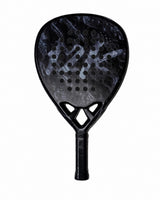
How to Travel With Your Padel Racket: Packing and Flying Tips
Somebody always finds out the hard way. They land, open the case, and the head protector has popped clean off after living under someone else's suitcase for three hours on a baggage belt.
Padel gear doesn't get much thought until it's already broken. Most players pack a racket the same way they'd pack a phone charger, wedged in wherever there's space, and hope for the best. It usually works out. Sometimes it doesn't, and that's the session you show up to with a cracked frame and no spare.
Can you take a padel racket in hand luggage?
Depends entirely on the airline, and most of them weren't built with padel in mind. UK carriers generally treat rackets as sports equipment over the standard cabin bag size, which puts them in the hold by default.
British Airways is one of the few that makes an exception. A slim protective case under 80cm long, holding up to two rackets, can travel as one of your two cabin bags. Ryanair and easyJet tend to be stricter and will usually send anything racket shaped straight to the hold, sometimes for an extra fee.
Call the airline before you book if you're set on carrying it yourself. Don't trust a forum post from three years ago. Policies shift, and the person at check in enforces whatever the current one says, not what worked for somebody's mate last summer.
If it has to go in the hold
Assume it will. Plan for checked luggage rather than treating cabin space as the default, and you won't be scrambling at the gate when a gate agent says no.
A padel racket in the hold gets thrown, stacked, and occasionally sat on. None of that is dramatic on its own. All of it together, over a few flights a year, is how frames end up cracked at the throat or delaminating along the edge.
What actually damages a racket in transit
Impact is the obvious one. Rackets get dropped onto belts, wedged under heavier bags, and occasionally used as a shelf for someone else's shoes. A hard edge landing on the frame face is the single most common way a racket cracks outside of normal play.
Heat is the one people don't think about. Hold compartments sit near the fuselage and can swing well above normal room temperature, especially on a summer tarmac before takeoff. That kind of heat softens the EVA or foam core and can warp the shell slightly, changing how the racket feels even if nothing looks visibly wrong.
Cold does the opposite. A racket that's sat in a freezing hold for hours becomes more brittle, and the first hard hit of the next session is when a stressed frame actually gives out. It's rarely the flight itself that breaks a racket. It's the first smash afterward.
Packing it properly
Start with the head. It takes more direct hits than any other part of the frame, and it's the part travelling hardest against everything else stacked around it in a bag or a case.
A stick-on head protector adds a thin layer of buffer exactly where impacts land most. It's the kind of thing that costs almost nothing but saves you from a much more expensive problem the day you land, and at 12k Padel we hear from players who only think of it after the first crack.
Beyond that, wrap the racket in something soft before it goes into the main bag. A towel or a piece of clothing works fine. Keep it away from the outer edge of your case where it's most likely to take a knock from baggage handling. If you're checking a padel bag specifically, put the racket in the centre, padded on both sides by whatever else you're bringing.
The overgrip problem
Overgrips wear out faster in transit than most people expect. Compression from being packed tightly, combined with humidity in the hold, leaves a grip feeling slightly tacky or loose by the time you land, even if it looked fine when you packed it.
Bring a spare rather than relying on the one already on the handle. Overgrips pack flat and weigh almost nothing, so there's no real reason to travel without a backup in the side pocket. Swapping a grip that's gone soft takes two minutes courtside and saves you playing an entire session with a handle that keeps sliding in your palm.
Temperature after landing
Give the racket time to settle once you're through arrivals, particularly if you've flown somewhere with a big temperature swing from home. A racket pulled straight from a cold hold into thirty degree heat, then hit at full power within the hour, is under more stress than one that's had a chance to acclimatise.
Half an hour sitting in normal conditions is usually enough. It's a small habit, and it costs you nothing beyond a bit of patience before the first rally.
What to check before you fly again
Look at the frame edges and the throat area before every trip, not just after a bad one. Hairline stress from a previous flight sometimes doesn't show until the next hard impact, so catching it early on a check at home beats finding out mid match somewhere unfamiliar.
We hear from plenty of 12k Padel players who only started checking their gear properly after a racket came back from a trip abroad in worse shape than it left. Pack it right and put a head protector on before you fly, and you won't be starting your trip by unwrapping a problem. The Stick-On Plastic Head Protector from 12k Padel takes thirty seconds to fit and it's one less thing to think about at the airport.