How to Hit a Drop Shot in Padel: The Dejada Explained
Everybody remembers the smash. Nobody remembers the ball that floated over the net, bounced twice near the service line and left two opponents standing at the back glass looking at each other.
That is the dejada. It wins more points at club level than most players expect, and almost nobody practises it.
What the dejada is
Dejada is Spanish for dropped. You take the pace off the ball and land it short, just past the net, so it dies before anyone can get to it.
It is not a soft shot played out of panic. It is a deliberate choice to use space instead of speed. Your opponents are stuck at the back of the court, the front two thirds are empty, and you put the ball there.
Two versions exist. One is played at the net, where you turn a routine volley into a drop instead of punching it. The other comes from the back of the court, which is harder and riskier. Learn the first one first.
When to play it
Your opponents are pinned deep
This is the obvious one. Both of them are behind the service line, either defending a lob or recovering from a shot off the glass. Anything short is a problem for them.
If one of them is already moving forward, forget it. The dejada only works against players who have to cover ground.
Straight after you have pushed them back
A bandeja that lands deep in the corner forces them to retreat. The next ball comes back slow and high because they had no time to set up. That is your moment.
The pattern matters more than the shot. Deep, deep, short. Play the drop cold and it usually fails.
They have shown you they do not move forward
Watch the first three or four games. Some players never step inside the service line unless the ball forces them. Against those two, the drop is close to free.
How to hit it
Disguise it
Prepare exactly as you would for a normal volley. Racket up, shoulders turned, weight forward. If your body language says drop shot half a second early, someone is already running.
Everything that makes this shot work happens in the last moment before contact. Before that it should look ordinary.
Soften the hand late
Grip pressure is the whole shot. Hold the handle firmly through the preparation, then let the hand go loose as the ball arrives. A soft hand absorbs pace. A tight one sends it straight back.
If your drops keep sailing long, this is almost always the reason. You never let go.
Open the face and brush underneath
Tilt the face slightly upwards and let the strings pass under the ball rather than through it. That contact puts backspin on, and backspin is what keeps the second bounce low and short.
The movement is tiny. Think of catching the ball on the strings and setting it down, not hitting it.
Aim low as well as short
A drop shot that clears the net by a metre is a gift. Aim to pass roughly a hand's width above the tape and land the ball inside the service box, close to a side wall if you can manage it.
The side wall matters. A ball dying in the corner gives the runner no angle to work with even if they get there.
Follow it in
Play the drop and move forward. Half the time you will get a weak floating reply, and you want to be close enough to finish it.
Hitting a good drop and then admiring it from three metres back is how a winning point turns into a lost one.
Where it goes wrong
Overuse is the big one. The dejada works because it is unexpected. Play three in a game and your opponents start leaning forward, which makes your lobs better but takes all the value out of the drop.
Height is the next problem. Players focus so hard on taking pace off that they lift the ball, it crosses the net slowly at chest height, and someone walks in and kills it. Low first, short second.
Then there is playing it off a bad ball. If the ball arrives fast, low or awkward, hit something simple instead. The drop needs a comfortable contact. Producing touch while stretching is how you find the net.
The last one is target choice. Dropping into the middle means both opponents can reach it. Pick a side and commit to it.
How to practise it
Start with a partner feeding easy balls to you at the net. No opponents, no pressure. Ten forehand drops, ten backhand drops, and pay attention only to where the second bounce lands.
Put a target down. A towel or a spare ball tube inside the service box works fine. Counting gives you something honest to measure, and most people find their drops are landing far deeper than they thought.
Then add the pattern. Have your partner feed a high ball, play a deep bandeja, take the next one as a drop. That sequence is what you will actually use in a match, and rehearsing the two shots together builds the habit of setting the point up first.
Twenty minutes a week is plenty. Several people around 12k Padel have found the shot becomes usable in about a month of that.
Feel comes partly from the racket
Touch shots expose your equipment. A stiff frame with a firm core sends the ball back with more energy than you asked for, which makes soft shots harder to judge. A softer response and a generous face give you more room to shape the ball.
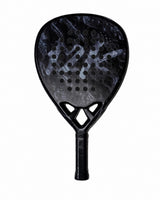
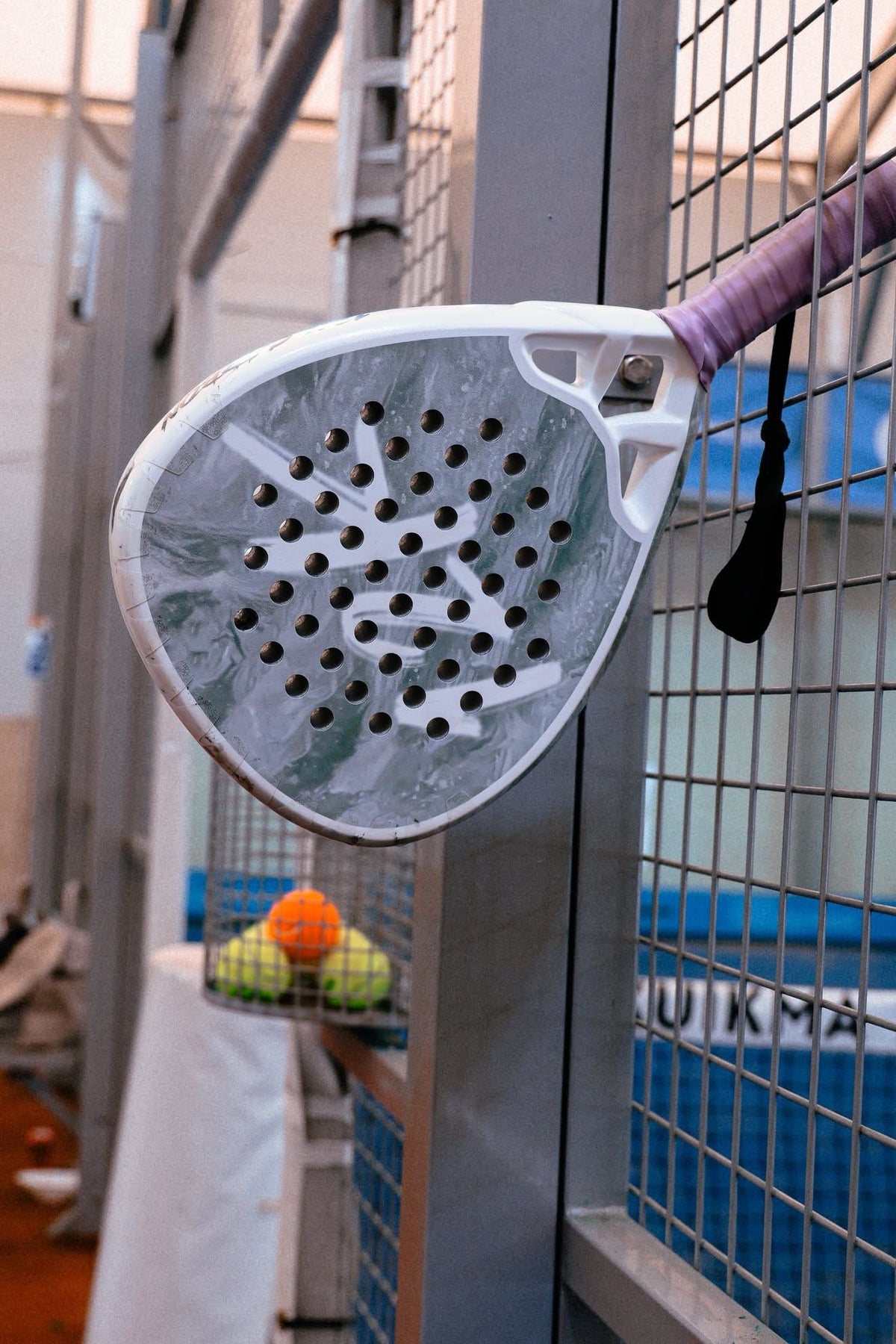
If you are working on the finer parts of your game and want a frame that rewards feel, the Ice White from 12k Padel is built around control rather than raw power. Whatever you play with, give the dejada one session. It is the cheapest way to add a shot nobody at your level is expecting.