Should You Buy a Second-Hand Padel Racket? What to Check
A used padel racket at half price looks like a great idea until you get it home. Some of them are real bargains. Plenty are frames that were finished six months before the seller listed them.
The problem is that padel rackets fail from the inside. A tennis racket tells you when it is dead because the strings go. A padel racket keeps its shape, keeps its paint, and quietly loses everything that made it good.
Why Used Rackets Are Tempting
Price is the obvious reason. A frame that was 250 pounds new can turn up at 90 after a season, and the specs on paper look identical to what is sitting in the shop.
The second reason is trying a shape you are not sure about. Buying a diamond frame second-hand costs less than finding out with a new one that you hate it. That is a fair way to experiment.
Both reasons are sound. The catch is that a used racket carries a history you cannot see, and that history is the whole thing.
What Actually Wears Out
The Core
EVA foam compresses every time you hit a ball. Thousands of impacts later it stops springing back the way it did, and the racket goes flat. No power, no feel, nothing wrong with it visually.
Heat speeds this up badly. A racket that spent last August in a car boot has aged faster than one played twice as often and stored indoors. You cannot spot this by looking.
The Carbon Face
Fibre layers separate slowly. Hitting the frame against the glass or scraping the ground on low volleys starts the damage, and normal play finishes it.
Small cracks around the throat or the top of the head are the ones to worry about. A crack anywhere in the frame means the racket is done, whatever the seller says about it being cosmetic.
The Grip and Bumper
These two are the cheap fixes. A shot bumper is a few pounds and ten minutes of your time. A tired base grip is a bit more work but nothing serious. Do not let either put you off a frame that is otherwise sound.
How to Inspect One
Get it in your hands. Photographs hide nearly everything that matters, and a seller who will not meet is a seller you should skip.
Run your thumb around the entire edge of the frame, slowly. You are feeling for ridges, soft spots and anything that catches. Then flex the head gently between both hands and listen. A healthy frame is silent. Creaking is bad news.
Tap the face in the middle with your knuckle, then near the top. Both should sound similar and fairly crisp. A dull thud in one area usually means the foam has collapsed underneath.
Shine a torch through the holes. You are checking whether the foam still sits tight against the carbon or has started to pull away from it.
Questions Worth Asking
How long have you had it, and how often did you play? A racket used twice a week for a year has taken roughly a hundred sessions. That is a lot for a frame built to last two seasons of steady use.
Where was it kept? Boot of the car is the answer that should end the conversation.
Why are you selling? Upgrading is fine. Vague is not.
Has it been repaired? Filled cracks and resin jobs happen more than people think, and they never hold for long.
What to Pay
Around half of the current retail price is fair for a frame in good condition with a season on it. Anything closer to two-thirds and you are paying new-racket money for someone else's wear.
Watch what has happened to the model since. If the brand released a 2026 version, the older one has dropped in value regardless of condition, and the seller may still be pricing from memory.
Add an overgrip and possibly a bumper on top. Small numbers, but they change the maths on a marginal deal.
Where the Sums Stop Working
Entry-level rackets are the clearest case. A used 70 pound frame at 40 is not much of a saving, and you inherit all the risk for thirty quid.
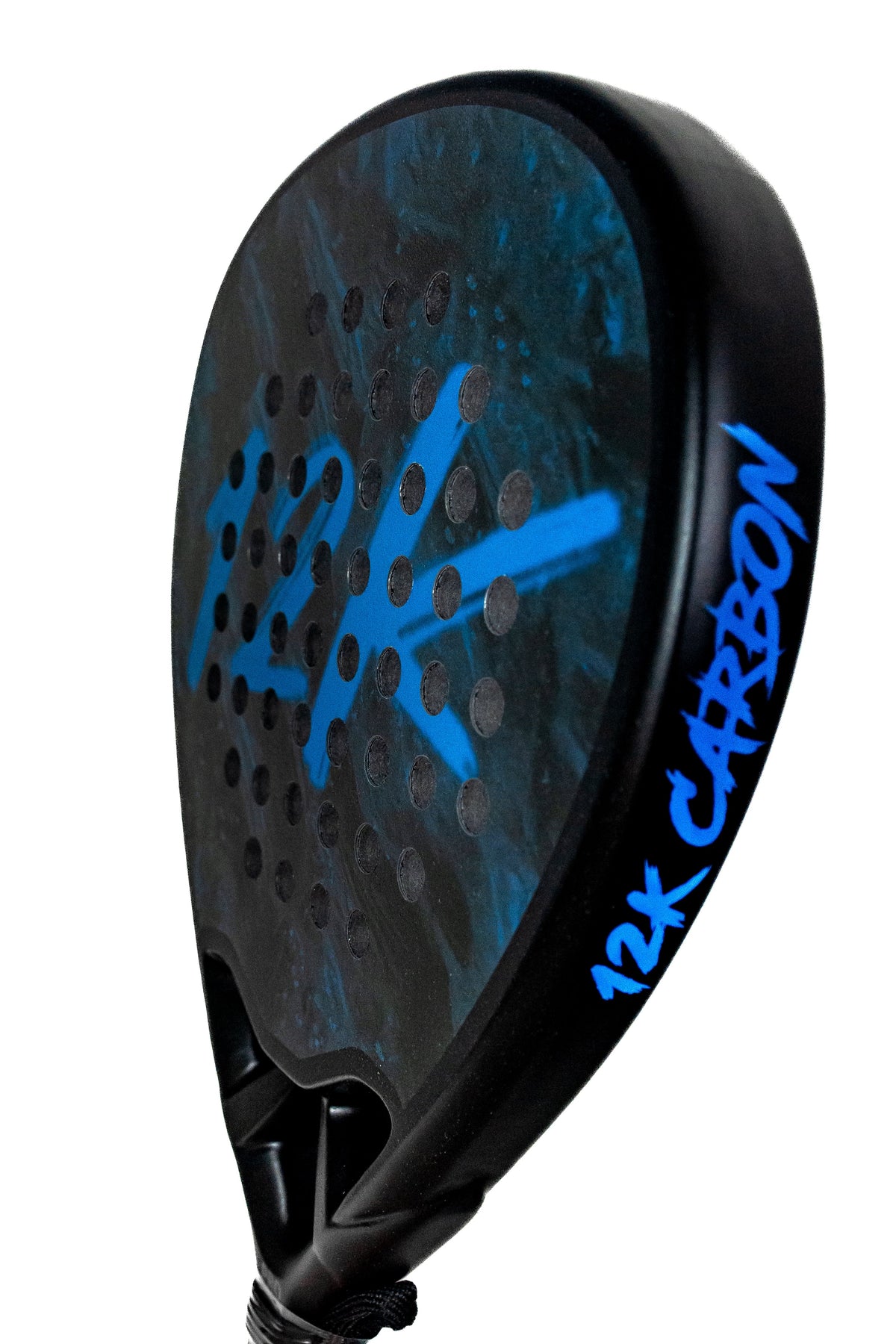
This is the gap that has closed over the last couple of years. Carbon frames that used to be premium-only now sit at prices where second-hand barely competes. When 12k Padel put its own range together the aim was exactly that, a 12K carbon face and a medium EVA core at £79.95 new.
Beginners in particular are better off new. You cannot tell a dead racket from a live one until you have played enough to know what a live one feels like, which makes the second-hand market the worst possible place to start.
When It Is Worth It
Buying from someone you know at your own club is the best version of this. You have seen the racket, you know how it has been treated, and you can usually hit with it first.
Testing a shape or weight you are unsure about also makes sense. Spend little, learn what you like, then buy properly.
Discontinued frames are the other case. Some players want a specific model that is no longer made, and used is the only route to it.
Before You Hand Over the Cash
Hit with it. Ten minutes on court tells you more than any inspection, and anyone selling a good racket will not mind.
Pay in a way you can trace. Bank transfer to a stranger with no protection is how people end up with a cracked frame and no reply to their messages.
Trust the flex test. A racket that creaks is not a bargain at any price.
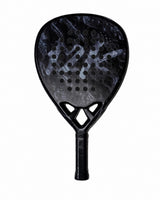
If the checks are making you uneasy, that is useful information in itself. A new frame with a warranty and a known history removes the guesswork, and the 12k Padel Midnight Black gives you a full carbon face and a fresh core for less than plenty of the used listings you will scroll past. Whichever way you go, get your hands on the racket before your money leaves your account.