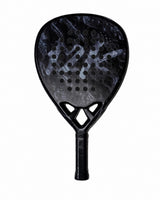
Do You Need a Padel Racket Protector? A Simple Guide
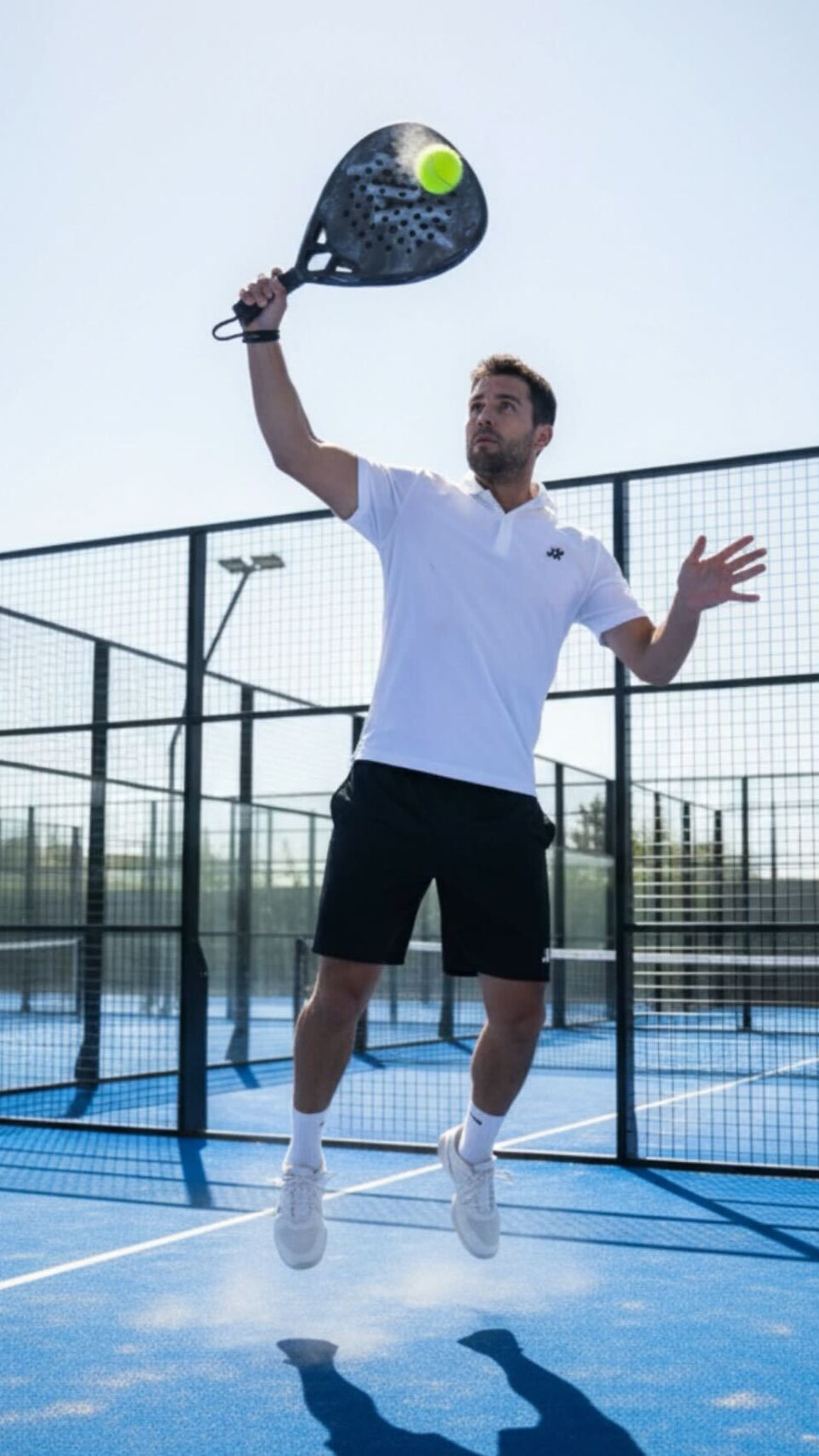
Chipped edges are the most common damage a padel racket picks up. Not cracks. Not a broken face. Just scuffed, worn corners along the top of the frame where the racket keeps meeting things it was never meant to hit.
A racket protector is a thin strip of adhesive material that sits along that top edge and takes the hits so the frame does not. Some players swear by them. Others leave them in the packet and never think about it again. Here is how to work out which camp you belong in.
What a padel racket protector actually is
It is a flexible strip, usually plastic or a rubberised tape, that sticks to the upper rim of the racket head. It follows the curve of the frame from one side of the throat, around the top, and back down the other.
Once it is on, it becomes the first point of contact when the racket scrapes a surface. The strip wears down instead of the carbon or fibreglass underneath. When it gets chewed up, you peel it off and stick on a fresh one. The frame stays clean.
At 12k Padel we sell these as a cheap extra, and plenty of players fit one the day their racket arrives.
Why the top of the frame takes the damage
Padel is played off the walls. You are often digging the racket low, close to the glass and the metal fencing, trying to lift a ball that has died in the corner.
When you scoop under a low ball near the back wall, the top edge of the frame can clip the glass or scrape the court. It happens fast and you barely feel it. Over a few weeks those small contacts add up to a rough, flaking edge.
Beginners catch the frame more often because timing and court position are still settling in. That is not a criticism. It is just how the first months go.
Do you actually need one?
If you play a lot of balls off the back wall, a protector earns its place fast. Newer players get the most out of them, since the scrapes and mishits come thick and fast in the first season.
Play a smooth, controlled game and rarely touch the frame? You might never need one. Some experienced players go years without a mark. It comes down to how you move and how close you get to the walls.
Then there is the money. A good padel racket is not cheap, and a protector costs very little next to it. For a lot of people that trade is simple maths.
The case against them
They are not free of downsides. Adding material to the top of the head shifts a small amount of weight toward the tip, which can make the racket feel a touch more head-heavy. At the very top of the frame, even a few grams gets noticed by some players.
For most people the difference fades within a session and you forget it is there. If you are sensitive to balance, or you play with a light control racket you want to stay quick through the air, you might prefer to leave it off. Most touring pros play without one, mainly for weight and sponsor reasons.
Some players also think a bare frame just looks cleaner. Fair enough. That is a personal call, not a performance fact.
How to fit one properly
Clean the top edge of the frame first. Wipe off dust, sweat and grit so the adhesive can grip. A dry cloth usually does it.
Start at one side of the throat and press the strip down slowly, following the curve. Work around the top and down the other side, smoothing as you go so there are no air pockets or lifted ends. Some stretch-fit protectors go on easier if you warm them a little first with warm water or a hairdryer, which softens the material enough to snap around the frame.
Press firmly along the whole length once it is seated, then give it a few minutes before you play so the adhesive sets. That is the whole job. It takes longer to read about than to do.
When to replace it
Check the strip every few weeks. Once it looks shredded, thin, or is peeling at the ends, swap it. Under heavy use most protectors are ready for a change after three to six months, sooner if you play daily.
A worn one that has lifted can start catching balls oddly, and at that point it is doing more harm than good. Keep a spare in your bag. They weigh nothing, and a five minute swap between sessions saves your frame for another month.
A few final thoughts
A racket protector will not make you play better. No extra power, no extra spin. What it does is keep a costly bit of kit in good shape for longer, which matters if you are on court two or three times a week.
Think of it like a phone case. Optional, slightly divisive, and quietly sensible for anyone who would rather not deal with damage later. At 12k Padel we reckon most players, especially newer ones, are better off with one on.
If you want to keep your frame looking sharp, our stick on head protector fits in a couple of minutes and costs a fraction of a new racket. Grab one, fit it the day your racket lands, and stop worrying about the walls.