Padel Recovery: How to Cool Down and Beat Next-Day Soreness
The match ends, you shake hands, you sit on the bench for ten minutes, then you drive home. That is what most people do after padel. It is also why so many of them wake up the next morning with tight calves and a shoulder that clicks.
Recovery is not complicated and it does not take long. Fifteen minutes of the right things after you play changes how you feel the next day, and over a season it adds up to more court time and fewer niggles.
Do not sit down straight away
Your heart rate is still high when the last point finishes and blood is pooled in your legs. Dropping onto a bench stops that circulation dead.
Walk for two or three minutes instead. Slow, conversational pace, still moving, still breathing. Round the court, out to the car park and back, it does not matter where. You are giving your body a soft landing rather than slamming the brakes on.
It is the easiest habit on this list and the one almost everyone skips.
Stretch static, not dynamic
Before you play you want dynamic movement. Leg swings, lunges, arm circles, things that wake the body up. After you play you want the opposite. Slow static holds, twenty to thirty seconds each, no bouncing and no forcing into pain.
The areas padel actually loads
Calves and ankles take a hammering. Padel is constant small adjustments, split steps and pushes off the toes, and your calves absorb most of that. Push into a wall or the fence with the back leg straight and hold.
Hamstrings and quads carry the lunging and the low volleys. Hip flexors get short from all the time you spend in a half-crouch at the net, so add a kneeling hip stretch on each side.
Then the top half. Shoulders and forearms do more work in padel than people expect, especially after a session full of bandejas and smashes. A doorway chest stretch and a gentle wrist flexor stretch cover both.
Six stretches, both sides, ten minutes. That is the whole routine.
Eat and drink in the first half hour
You lose more fluid on a padel court than you think, especially indoors where there is no breeze. Start drinking before you get in the car, not when you get home.
Food matters just as much. Something with protein and carbohydrate within about thirty minutes gives your muscles what they need to repair. A protein shake and a banana works. So does a sandwich. It does not need to be complicated or expensive.
If you have played hard for ninety minutes and then eaten nothing for three hours, do not be surprised when the stairs feel awkward the next morning.
Sleep does the real work
Everything else on this page is support. Sleep is where the repair happens.
Late evening padel makes this harder than it sounds. You come off court wired, get home at eleven, and your body is still buzzing. Give yourself a wind-down window. Shower, eat, dim the lights, keep the phone out of reach for the last half hour.
Players who complain about permanent tiredness during a busy padel season are usually not overtraining. They are undersleeping.
The day after matters too
Complete rest is not the fastest way back. Gentle movement pushes blood through sore muscles and clears them out quicker than lying on the sofa does.
A twenty minute walk, an easy bike ride, some light mobility work. Nothing that leaves you breathing hard. If you are stiff, moving gently will feel better after five minutes than it did in the first thirty seconds.
Soreness that settles over two days is normal. Sharp pain in a joint, a shoulder that hurts on overhead shots, or an elbow that aches when you grip is not. That is your body asking you to rest properly or get it looked at, and playing through it is how a two-week problem becomes a three-month one.
Small kit choices that help
Your gear plays a part in how beaten up you feel afterwards. A worn, slippery overgrip makes you squeeze the handle harder than you need to, and that tension travels straight up into your forearm and elbow. Fresh grips are cheap insurance.
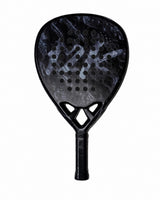
Racket choice matters more than most beginners realise. A very stiff, head-heavy frame transmits more shock into your arm on every off-centre hit. If you play three or four times a week and your forearm is constantly sore, the racket is worth looking at before you blame your technique. We talk about this a lot with players at 12k Padel, because the wrong frame quietly creates problems that no amount of stretching fixes.
Shoes are the other one. Worn-out soles stop absorbing impact and stop gripping properly, which loads your knees and ankles on every change of direction.
Build it into the session
The reason people skip recovery is that they treat it as extra. Make it part of the booking instead. If your slot ends at eight, your session ends at eight fifteen, and the last fifteen minutes are walking, stretching and drinking.
Do that for a month and you will notice the difference in how you move in the third set, not just in how you feel the next morning.
If your arm takes a beating every session and you suspect your racket is part of the reason, try a lighter, lower-balanced racket with a softer core, and check your grip size and overgrip. Pair it with a fresh grip, a proper cool down and a decent night of sleep, and your next session starts from a much better place.