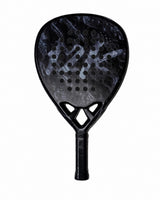
How to Practice Padel Alone (And Actually Get Better)
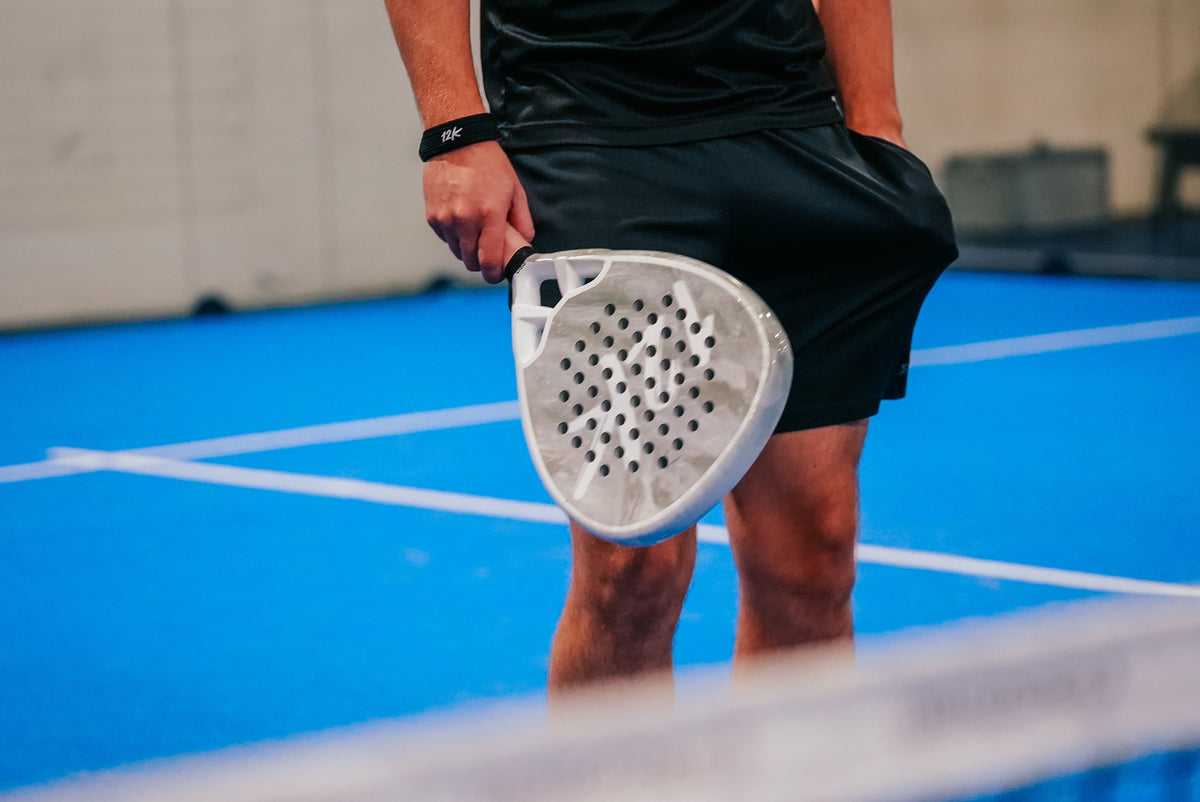
Finding someone to play padel with is not always easy. Schedules clash, your regular partner gets injured, or you just want an extra session mid-week without waiting on anyone else. The good news is that solo practice, done properly, is one of the fastest ways to build real improvement in your game.
Most recreational players only practise when they play matches. But matches are the wrong place to fix technique. When the pressure is on, your brain defaults to existing habits. Solo time is when you actually change those habits.
What You Can Realistically Work on Alone
Not everything translates to solo training. You cannot practise doubles positioning or reading a partner's movement on your own. But the fundamentals, the things that hold most players back, are almost all trainable in isolation.
Contact point, swing path, footwork, and racket preparation are the foundation of almost every shot in padel. All four can be drilled without a partner standing across the net.
The Best Solo Drills to Use on Court
Wall rallies
The glass walls are your most available training partner. Stand about two metres from the back glass and hit controlled groundstrokes at a steady pace. The ball returns quickly, which forces you to reset your feet and racket position on every single rep.
Start with your forehand. Ten minutes of wall rallies is enough to notice where your contact point is drifting. Once you feel comfortable with a consistent rhythm, try mixing in a backhand every third or fourth shot to keep both sides sharp.
Serve repetition
The serve is the one shot in padel where you have complete control. No opponent, no rally pressure, just you and the ball. That makes solo sessions the perfect environment for building real consistency.
Pick a target on the service box and try to land ten balls in a row on the same spot. Move the target around after each set. Practise your slice serve, your flat serve, and the higher kicker. Thirty focused minutes on your serve each week will quietly transform that part of your game over a few months.
Volley control at the side glass
Stand three metres from the side glass and hit short, controlled volleys with a compact swing. The aim here is not pace but placement. Keep your wrist firm, your feet wide, and your racket head up throughout the drill.
Work through forehand volleys, then backhand volleys, then alternate between the two. Try to maintain a rally of fifteen or more shots without letting the ball bounce. It is harder than it sounds, and the improvement it creates in your net game is very noticeable.
Bandeja mechanics
The bandeja is a shot that most players try to learn during live rallies, which is exactly the wrong place to do it. The chaos of a real point makes it nearly impossible to think about technique. Solo practice removes all of that.
Toss the ball slightly in front of you, turn your shoulders side on, raise the racket above your head with the elbow bent, and brush across the top of the ball at contact. Do not swing hard. The shot is about control and placement, not power. Repeat it twenty or thirty times in a single session before you try it in a real match again. The difference will be obvious.
How to Structure a 30 Minute Solo Session
If you have half an hour on court, split it into three blocks. Spend the first ten minutes on easy wall rallies to warm up your arm and find your rhythm. Use the middle ten minutes on one specific drill, whether that is serves, net volleys, or the bandeja. Close the session with ten minutes of movement-based hitting, where you take a step between each shot to simulate real match conditions.
That structure gives you a warm up, a focused technical block, and a more dynamic finish. Two sessions like this each week, even if that is all you can manage, will produce noticeable changes across a season.
Equipment That Makes Solo Practice Easier
You do not need much. A good racket, some balls, and a court with a wall. But a couple of extras do make solo sessions more effective.
A head protector is worth fitting on your racket if you plan to do regular wall work. Accidental glass contacts are more common when you are hitting alone without the rhythm of a real rally, and the frame takes the damage. 12k Padel sells a simple stick-on plastic head protector that does the job without adding noticeable weight to the racket.
Overgrips also matter more during solo sessions. You are repeating the same grip position over and over, which means hand fatigue builds faster than in a normal game. Replace your overgrip before it starts to feel slippery. The 12k Padel overgrips are absorbent and tacky, and they hold up through a full solo session without peeling away at the edges.
What Solo Practice Will Not Do
It is worth being honest about the limits. Solo work builds technique and physical confidence, but it does not replace match experience. Reading opponents, communicating with a partner, and making decisions under pressure all require live court time with other players.
Think of solo practice as the maintenance work between matches. It keeps your technique sound and fixes small issues before they become ingrained bad habits. The matches themselves are where you test what you have built.
Start Small, Stay Consistent
The players who improve fastest are almost never the ones playing the most matches. They are the ones who are deliberate about their practice time, whether they have a partner or not.
You do not need to wait for your doubles partner to be free to get better at padel. Get on a court, pick one thing to work on, and put in the reps. Consistent solo work is what separates the players who plateau from the ones who keep climbing.
If you are looking to upgrade your racket or stock up on overgrips before your next session, you can browse the full range at the 12k Padel shop.