How to Play the Lob in Padel: The Shot That Quietly Wins Matches
If you watch a good padel pair warming up, you will notice something most beginners miss. The strong teams hit more lobs than smashes. Not because they are being cautious, but because the lob is how you take control of the court.
Most new players see the lob as a rescue shot, something you reach for when you are stuck in the back. That thinking is a trap. A well played lob flips the point on its head and puts you in the attacking position. At 12k Padel, we think of it as the shot that decides who owns the net.
Why the Lob Matters So Much in Padel
In padel, the team at the net wins most rallies. That is just the game. If your opponents are parked near the net, you will lose unless you move them.
The lob is the cleanest way to shift that balance. A good one sails over their heads, bounces deep, and forces them to retreat. Now you are the one stepping forward.
You are not just buying time. You are trading a defensive position for an attacking one.
When to Play the Lob
There is no single rule here, but a few patterns tend to work in almost any rally.
The first is when your opponents are tight to the net and leaning forward. They are vulnerable to the glass behind them. A lob that lands close to the service line with good height is very hard for them to cut off.
The second is when a fast ball is coming at your body. A flat drive will often pop up for the smash. A soft lob buys you the height to reset the point.
The third is on the return of serve. If the server is rushing in, a deep lob takes away their momentum before the rally starts.
How to Play the Lob in Padel: The Technique
Grip and Stance
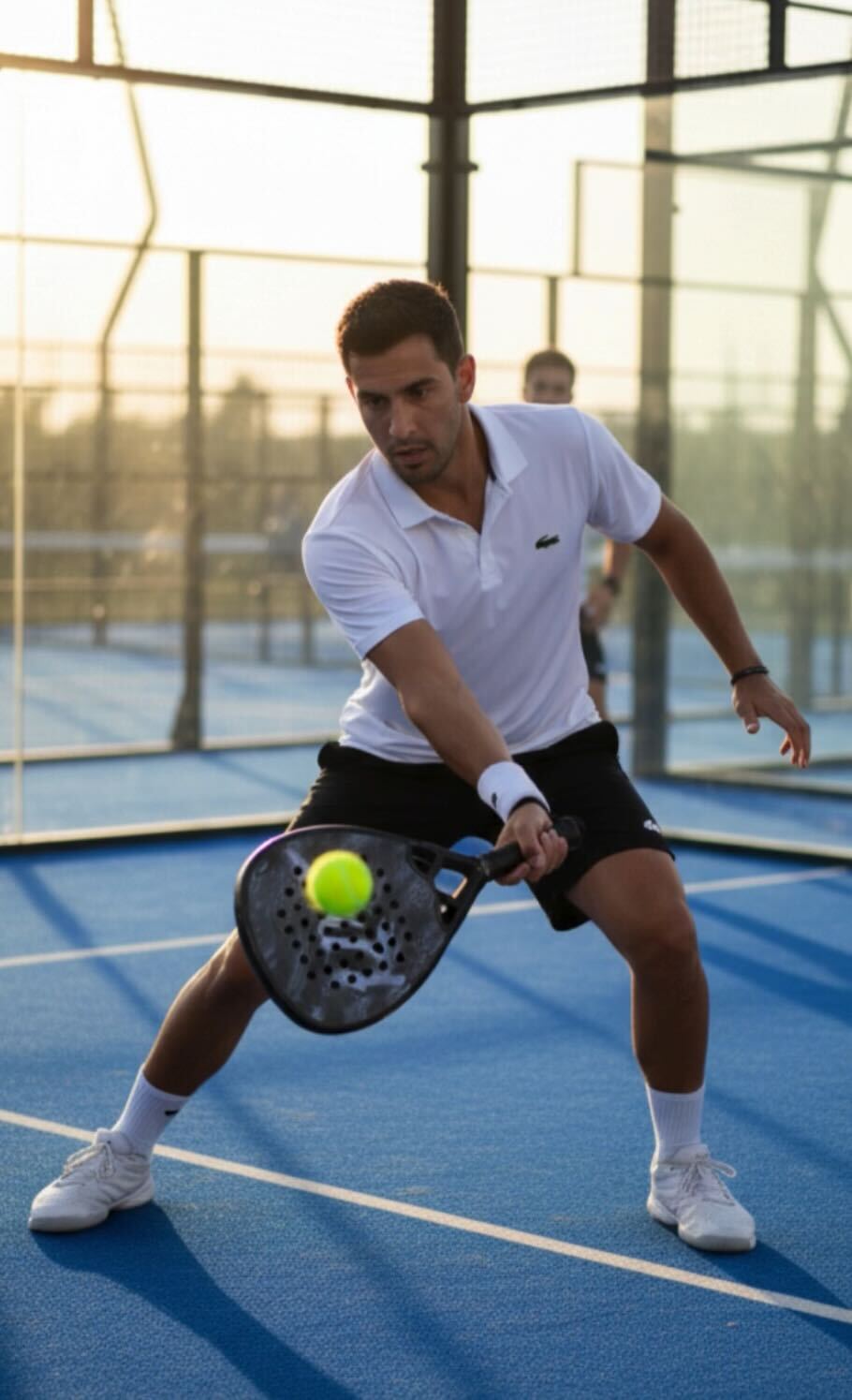
Use a continental grip, the same one most players already use for volleys. Keep the face slightly open. Not flat, not angled right up at the sky. Somewhere in between.
Turn sideways early and get under the ball. Your front shoulder should be pointing towards where you want the ball to go.
The Swing
Keep it low to high, long and smooth. You are lifting the ball, not whipping it.
Contact happens in front of your body. Brush up the back of the ball with a soft touch. Finish high, with your racket pointing towards the sky.
If you feel like you are trying hard, you are trying too hard. A relaxed arm sends the ball further than a tense one.
Where to Aim
Aim for the ball to land just past your opponents, around the service line or a few steps behind it. Any shorter and they will cut it off. Any longer and the back glass gives them an easy rebound.
Cross court lobs work better than lobs down the line. You get more court to play with and more time for the ball to travel.
Defensive Lob vs Offensive Lob
Most players only know one lob. The best players have two.
The defensive lob is high and slow, designed to buy time. Use it when you are off balance or pulled wide. The goal is simply to reset the point.
The offensive lob is flatter and quicker. It skims the heads of your opponents and is much harder to read. Use it when you are balanced and the angle is clean. A good offensive lob wins the point outright more often than a smash.
Reading Your Opponent First
Before you hit the lob, glance at their positioning. If they are leaning in, a lob almost always works. If they are already deep, switch to a drive or a soft drop instead. The best lobs are the ones your opponents did not see coming.
Common Mistakes to Avoid
Short lobs. A lob that lands before the service line is a free smash for your opponents. Play the shot with height and depth, or do not play it at all.
Flat swings. Coming at the ball with a flat face sends it too low. Brush up through the contact instead.
Over hitting. A lob does not need power. It needs shape. If the ball is flying into the back glass on the full, you are using too much arm.
Telegraphing. If you prepare the lob the same way every time, sharper opponents will read it and step back early. Mix it up. Make it look like a drive until the last moment.
How Your Racket Can Help
A racket with a balanced or slightly head heavy feel makes lobs easier. You get more feel on the contact and the ball stays on the strings a little longer, which helps with placement.
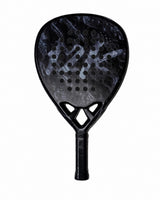
Our rackets at 12k Padel have a 12K carbon face and a medium EVA core, a mix of control and power that suits the lob. You can feel where the ball is going before it leaves the face.
A Drill for Your Next Session
Pick one drill and stick with it. Stand at the baseline with your partner at the net. Lob ten balls cross court aiming just past the service line. Then switch sides. Then switch who lobs.
Count how many land in the target zone. The first time most players do this, the number is low. After three or four sessions it climbs fast.
Then take it into a match. The next time the opposing pair is leaning in at the net, try a lob instead of a drive. If you read it right, you will walk into the net while they scramble back. That is when the point becomes yours.
If you want a racket that rewards the soft touch a good lob needs, have a look at the range over at 12k Padel and find one built for the way you play.