How to Hit a Vibora in Padel: The Attacking Shot That Keeps You at the Net
The vibora is one of the most satisfying shots to pull off in padel. When it works, you stay at the net, your opponents get pinned to the back glass, and the point stays on your terms. It also happens to be one of the most misunderstood shots in the game.
This guide breaks down what the vibora actually is, how it differs from a bandeja, and how to hit one without tearing your shoulder or floating the ball long.
What Is a Vibora in Padel?
The vibora, Spanish for "viper", is an aggressive overhead shot played from the net when your opponents lob you. The name comes from the snake like movement of the racket and the biting slice you put on the ball.
Unlike a smash, you do not hit the vibora for a clean winner. You hit it to stay in the attacking position. Think of it as a controlled weapon that keeps pressure on your opponents and forces a weak reply.
Vibora vs Bandeja: What Is Actually Different
The bandeja is the safer cousin. It is a flatter, slower shot played with sidespin, designed to keep you at the net without giving anything away.
The vibora is faster, more aggressive, and carries heavy sidespin plus a touch of slice. The ball stays low after the bounce and darts sideways when it hits the back glass, which is exactly what makes it so hard to defend against.
If the lob is shorter and higher, play a vibora. If the lob is deeper and pushes you further back, play a bandeja. A good player at the 12k Padel level can read this in the first half second of the opponent's swing.
The Grip and Ready Position
Start with a continental grip, the same one you use for your volleys and serves. If you switch grips mid rally, you lose half a second you cannot afford.
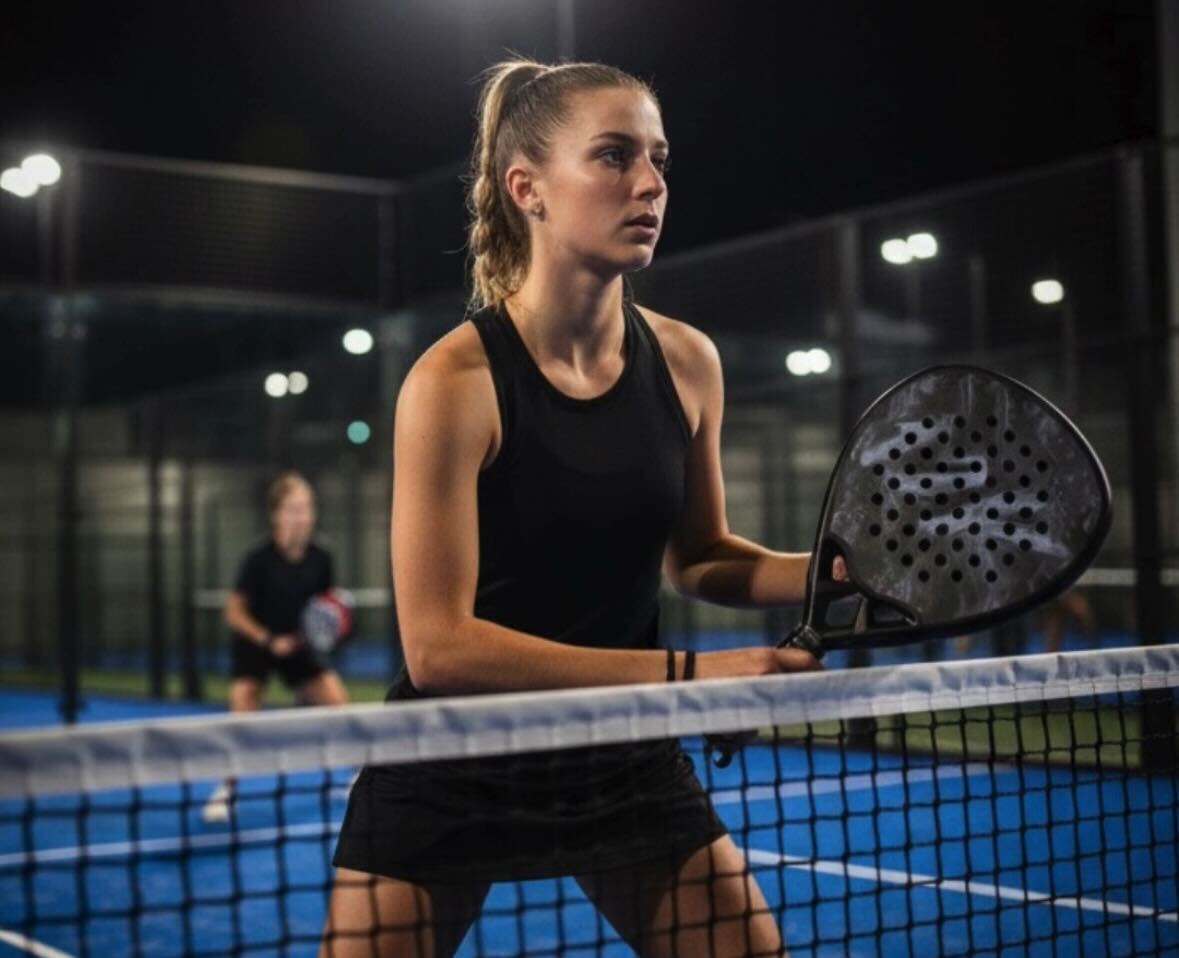
Keep your non dominant hand on the throat of the racket until the ball is tracked. Stay on your toes, slightly bent at the knees, with your eyes up watching the ball as it leaves your opponent's strings. Your first move is almost always backwards, small crossover steps, never turning your back to the net.
Positioning Your Body
Turn your shoulders side on early. The mistake most beginners make is facing the net the whole time, which kills every bit of power and spin you could have created.
Your non dominant shoulder should point at the ball. Your elbow stays high. Your racket travels behind your head in a slight loop, not a huge windup. Keep it compact.
How to Hit a Vibora: Step by Step
1. Track the Ball Early
The earlier you read the lob, the better your shot will be. If you let the ball drop low or behind your head, you lose the vibora and have to settle for a bandeja or a defensive push.
Aim to contact the ball slightly in front of your body, around eye level or just above. Never let the ball drop below your shoulder for this shot.
2. Swing Path and Contact
The racket should move from high to low across your body, with the face slightly closed. Brush the outside of the ball from right to left if you are right handed. Left to right if you are a lefty.
This brushing action is what creates the sidespin that makes the ball skid off the glass. Contact should feel like you are carving the ball, not hitting it flat.
3. Aim for the Side Glass
A good vibora lands deep on your opponent's backhand side, then kicks sideways into the glass. The goal is to make them play a difficult shot off the wall, not off a clean bounce.
Aim about a metre and a half inside the sideline. If it clips the glass first, even better. That ball almost always produces a weak reply.
4. Finish and Recover
Your racket finishes low, around waist height on the opposite side of your body. Your feet reset forward. You are already back in attacking position, ready for the next ball.
Recovery is the part most players forget. Hit the vibora, then get your weight moving forward again. Never hit it and admire it.
Common Mistakes to Avoid
Swinging too hard is the number one error. The vibora is about placement and spin, not power. If you try to smash it, you will float it long or dump it in the net.
Standing still is the second. Your feet should be moving the entire time, small adjustments to keep the ball in your hitting zone.
Letting the ball drop too low is the third. Once it gets below shoulder height, the vibora is gone. Choose a different shot and live to attack the next one.
Drill: Build the Vibora in Ten Minutes
Start with a partner feeding you high balls from the baseline. No racket swing yet, just track and catch with your non dominant hand to train your eyes. Do twenty of those.
Then add the swing, but aim only for depth, not spin. Twenty more. Finally, add the sidespin and aim for the back corner. Twenty more and you will feel the shot starting to click.
Repeat this drill twice a week and your vibora becomes a reliable weapon inside a month.
The Right Racket Makes a Difference
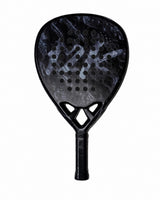
A diamond shaped racket with a high balance gives you more power and spin on the vibora, but it punishes off centre contact. A teardrop is more forgiving if you are still learning the shot.
If you want a racket that rewards the vibora swing without being unforgiving, take a look at the 12k Padel range. Surface texture matters more than the carbon grade for grip on this brushing motion, so check the face before you buy.
Bring It All Together
The vibora is the shot that separates players who sit at the net from players who own the net. It rewards preparation, spin, and patience, not brute force.
Work on it in your next session. Track early, turn your shoulders, brush the ball, and let the glass do half the work. It is one of the quickest wins you can bring into your game.