How to Hit a Chiquita in Padel: The Slow Shot That Wins Long Rallies
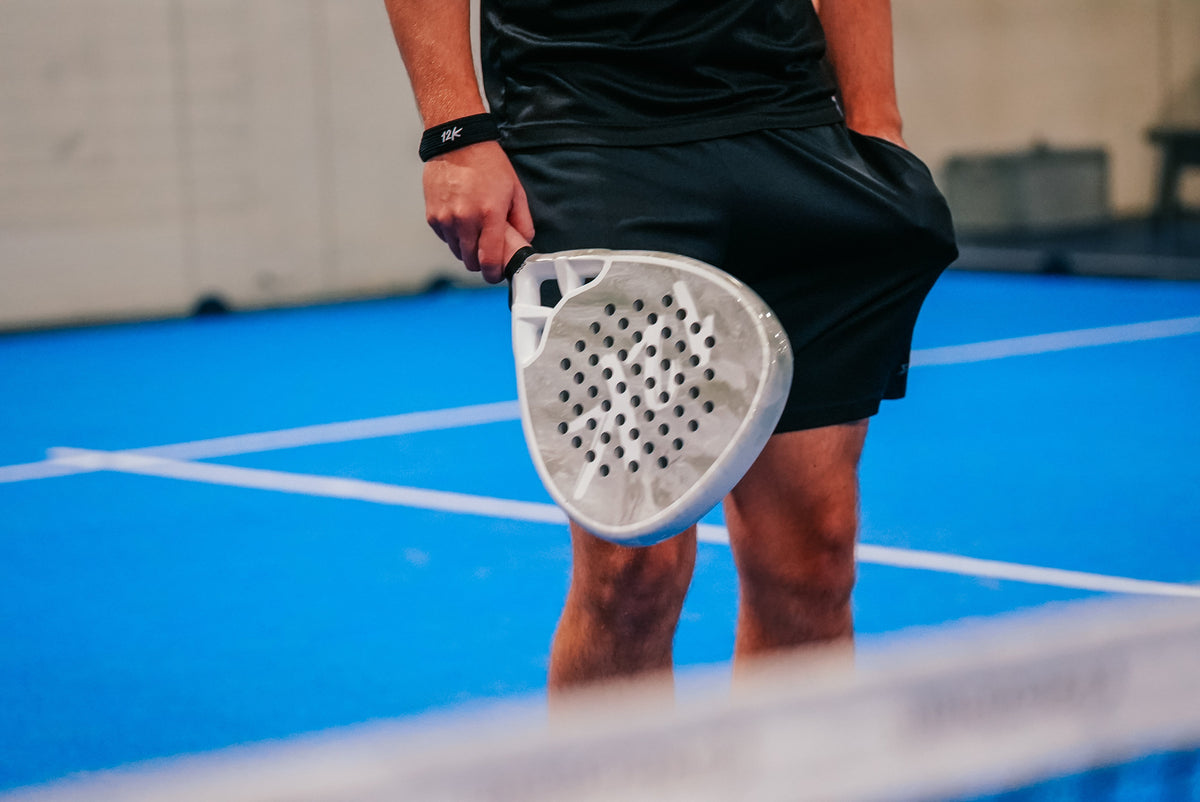
The chiquita is one of those shots that looks like nothing until it works. A slow ball, hit low, dropping into the gap between the net and the players who own it. Played well, it pulls your opponents off their wall, forces them to bend, and puts the rally back on your terms.
If you are stuck losing point after point at the baseline, the chiquita is the shot that gets you out. Here is how to hit it, when to use it, and the small adjustments that turn it from a hopeful slice into a tactical weapon.
What is a chiquita in padel?
A chiquita is a soft, low ball played from the baseline that lands short in your opponent's court. The aim is not power. The aim is to make the volleyer reach down for a ball that has already dropped below net height.
When the volleyer is forced to play upward, you get a chance to reset the rally or move forward yourself. It is a counter punch dressed up as a defensive shot.
The name comes from Spanish, meaning "little one". Quiet, polite, sometimes underestimated. Then it wins you the point.
When to use the chiquita
Most rallies in padel end with the team at the net winning the point. The chiquita exists to break that pattern. You play it when you are pinned at the back, taking heavy volleys, and your lobs are getting smashed.
There are three classic moments to use it.
After a strong return
If your return has pushed the server deep, the front players might be slightly out of position. A chiquita into the middle then forces a decision. Either they let it bounce and the rally restarts neutral, or they reach down and feed you a high ball.
When your lobs are not working
If your opponents are reading your lobs and smashing them out of the court, you need a different way to move them. The chiquita stays low instead of going high. Same goal, opposite trajectory.
As a change of rhythm
Long rallies in padel build patterns. Two or three of the same shot teaches your opponents what to expect. A chiquita breaks the rhythm and forces them to adjust.
How to hit a chiquita in padel: the technique
The shot lives in the wrist and the timing more than the swing. Here is how to build it from the ground up.
Grip and stance
Hold a continental grip. The same grip you use for volleys works here because you need feel, not power. Your stance should be balanced, knees bent, weight slightly forward.
You are about to play a touch shot. Anything that wants to drive the ball is working against you.
Take the ball early
The biggest mistake players make is letting the ball drop too far before contact. By the time the ball is at knee height, you have lost the angle you need to drop it short.
Take it on the rise or at hip height. Earlier contact gives you a flatter, lower bounce on the other side.
Open the racket face
Tilt the racket face slightly upward. You want to slice under the ball, taking pace off and adding a little backspin. The slower the ball, the more time the volleyer has to read it, but the lower it sits when it arrives.
That trade is the whole point of the shot. Pace down, height down, position changed.
Aim for the middle gap
The middle of the court is where most chiquitas are won. Two players reaching for the same low ball will hesitate, and hesitation gives you the next shot you actually wanted.
Avoid the lines. The chiquita is about pulling people forward, not painting corners.
Follow through short
Do not finish the shot like a drive. Stop the racket soon after contact. A short follow through keeps the ball compact and stops you over hitting.
Practice this part on its own. The brake is half the shot.
Common mistakes to avoid
Most chiquitas fail for the same handful of reasons.
Too much power. If your ball reaches the volleyer at chest height, you have given them a free attack. Soft hands win this shot.
Wrong moment. A chiquita against opponents who are already deep at the net is hopeless. They will lean in and put it away. Use it when their feet are still set in volley position.
Predictable use. If you play one chiquita per rally, your opponents will learn to step in. Mix it with lobs and drives so they cannot commit early.
Equipment that helps the chiquita
Touch shots reward control over power. A racket that is too heavy or too head heavy makes the chiquita harder to time. Round shapes with a balanced sweet spot tend to give you the feel you need for slower shots.
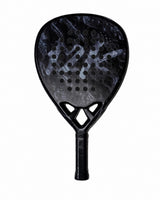
If you are picking a racket with this kind of touch in mind, the 12k Padel range pairs a 12K carbon face with a medium EVA core for a direct feel. Pair it with a thinner overgrip if you want a more direct connection to the ball.
Practice drill: feeding chiquitas
Stand at the baseline. Have a partner volley balls at you from the service line. Your only job is to play every ball as a chiquita. No drives, no lobs.
Do this for ten minutes. Most players are surprised how quickly they start feeling the racket angle and how short the swing actually needs to be.
Once you can land ten in a row in the middle gap, mix in lobs and drives. The shot becomes useful only when your opponents cannot tell which one is coming.
Final thought
The chiquita does not win matches on highlight reels. It wins them in the third game of the second set, when your opponents have stopped expecting it and you have stopped panicking at the baseline.
Add it to your rotation, practice it without trying to force it, and you will find yourself in fewer rallies that end with a smash you cannot reach.
Ready to upgrade the racket that helps you play it? Whatever you buy, choose the shape and weight that fits how you actually play.