How to Choose Padel Shoes: A Beginner's Guide
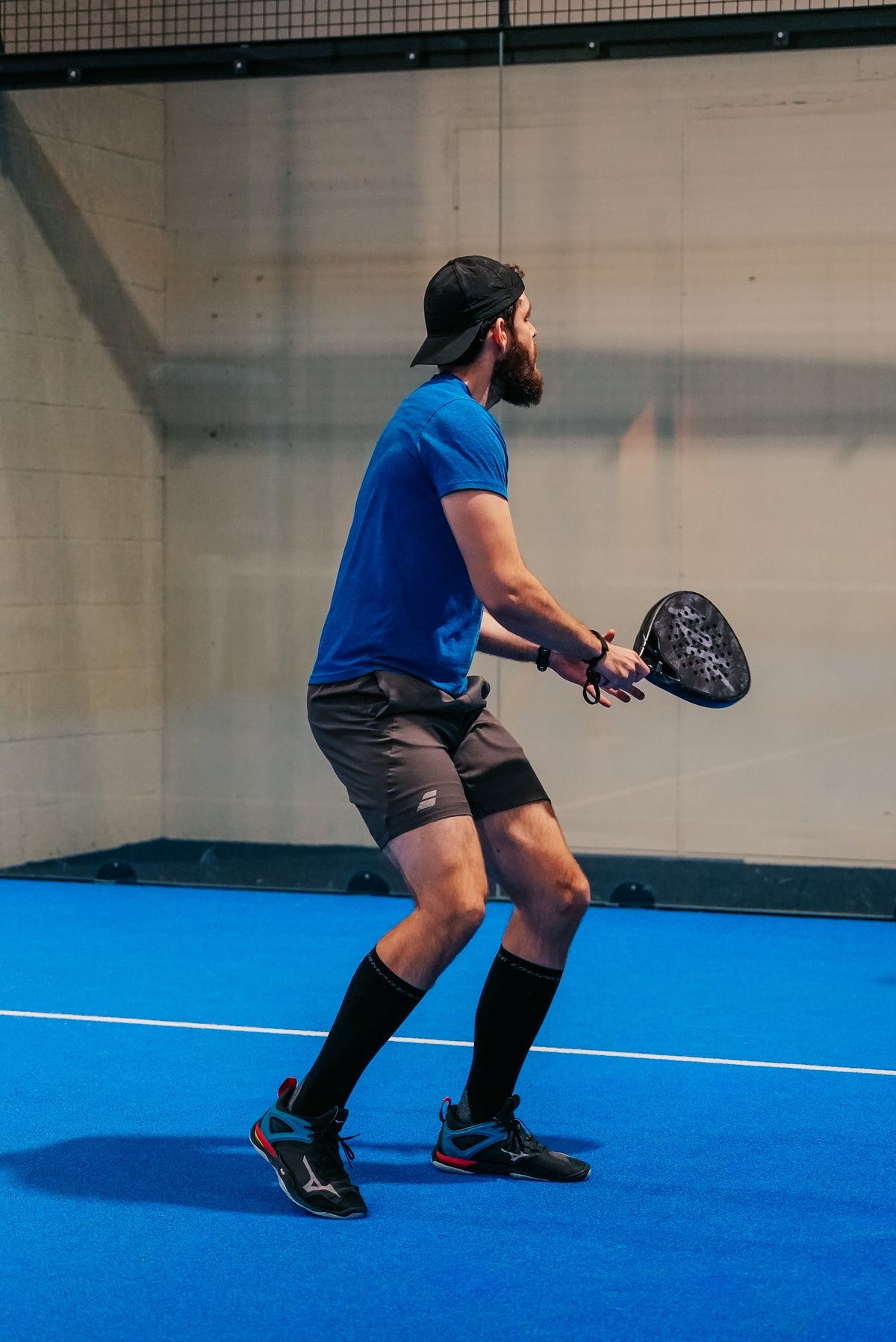
You have bought the racket. You have found a court. But if you are showing up to padel in running shoes or tennis trainers, you are setting yourself up for a frustrating session and, over time, a sore ankle.
Padel shoes are not just a marketing upsell. The court surface demands something specific, and once you understand what to look for, picking the right pair becomes straightforward.
Why You Cannot Use Just Any Shoe on a Padel Court
Most padel courts in the UK are covered in artificial grass with a sand infill. It is a surface that behaves differently from a tennis hard court or a sports hall floor. It grips in unexpected ways and releases traction just as unpredictably.
Running shoes are built for forward momentum. They have no meaningful lateral support, and the outsoles are often far too cushioned to give you any feel for the surface beneath you. Tennis hard court shoes are better, but still not right. They use a herringbone tread designed for smooth acrylic, which collects sand and becomes slippery within minutes on artificial grass.
A dedicated padel shoe is built for artificial grass. The tread pattern is designed to clear sand as you move, grip during lateral lunges, and release cleanly when you push off.
The Three Things That Matter Most
Grip and Tread Pattern
Look for an omnidirectional tread or a herringbone pattern designed specifically for artificial grass. Some shoes label this as AG on the outsole. The goal is multidirectional grip that stays consistent as sand builds up during a session.
If the shoe does not specify the court surface it is designed for, put it back.
Lateral Support
Padel involves a lot of sideways movement. Wide lateral steps, split step landings, and recovery movements after a wall shot all put significant load on the outside edge of your foot. A shoe that collapses sideways under that pressure will leave your ankle unsupported and your footing unreliable.
Try this when you are in the shop: put on the shoe and lean your weight to the outside edge. A good padel shoe holds firm. A poor one bends and rolls.
Fit Through the Midfoot
Padel shoes should fit snugly through the midfoot and heel without gripping the toes too tightly. Your foot should not slide inside the shoe during a lunge. A half size up from your usual size is common advice, but it varies by brand. Try them on if you can, and walk around for a few minutes before committing.
Indoor vs Outdoor Courts
Outdoor padel courts in the UK almost always use artificial grass with sand. Indoor courts vary. Some use artificial grass, others use smooth acrylic surfaces similar to squash courts, and a few use reinforced glass sections on the walls and floor.
If you are playing exclusively indoors on a smooth surface, an omni tread shoe will work fine. If your court has any artificial grass sections, an AG specific sole is the better choice. When in doubt, ask the venue what surface they use before buying.
How Much Should You Spend?
You do not need to spend a fortune to get started, but you do need to spend enough to get the basics right. A shoe under £50 from a brand with no court sports background will almost certainly lack the lateral support you need and wear out quickly on artificial grass.
A budget of £70 to £100 puts you in reach of solid options from brands like ASICS and Joma that make court specific models. At that price point, you get the right outsole, reasonable lateral support, and enough cushioning to make a two hour session comfortable.
If you are playing three or more times a week, spending £100 to £140 on a more durable model is a worthwhile investment. At that level of play, cheaper shoes wear out within two or three months on artificial grass.
Common Mistakes UK Beginners Make
Playing in running shoes is the most common one. It happens because people try padel before deciding to commit, which is completely reasonable. But if you have played more than a few sessions and are still in your gym trainers, sorting your footwear out will make an immediate difference.
Buying tennis hard court shoes is the second mistake. They look right and feel familiar, but the outsole does not clear sand properly on artificial grass. You will notice it most when you need to change direction quickly and your foot keeps sliding a beat longer than expected.
Buying too narrow is the third. Padel involves wide, low stances. If the shoe feels tight across the forefoot when you are standing straight, it will be uncomfortable when you are spread out at full stretch on the court.
Completing Your Kit
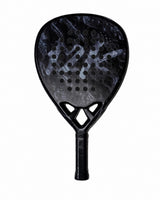
Once your footwear is sorted, the racket is the next thing worth getting right. At 12k Padel, our rackets have a 12K carbon fibre face with a medium EVA core. If you are still using a borrowed racket or something from a starter set, the 12k Padel Shark Blue is worth a look. It is a teardrop racket for improving players who want something well made from the start.
Getting the full kit right early on saves you from relearning habits that poor equipment creates.
The Short Version
Buy shoes made specifically for padel courts, with an outsole built for artificial grass. Make sure they support your foot laterally, not just front to back. Fit them with a little room at the toes but snug through the midfoot. Spend enough to get the basic construction right.
The rest is brand preference and personal fit. Head to any specialist court sports retailer in the UK or browse dedicated padel equipment sites if you want to compare options. If you are sorting out the rest of your padel kit at the same time, the 12k Padel shop is a straightforward place to start.